Can Guinea Pigs Eat Grapes?
Yes — but only as a small, occasional treat. Here’s the safe amount, how to prepare them, and why grapes aren’t the danger for pigs that they are for dogs.
Yes, guinea pigs can eat grapes — but only as a small, occasional treat, not a regular food. Grapes are very high in sugar (over 15%), which is the main concern: too much can upset a guinea pig’s delicate digestive system, disrupt their gut bacteria, and contribute to obesity. A safe serving is about one or two small grapes per guinea pig, once or twice a week at most, cut into halves or quarters. Always wash them thoroughly, use seedless grapes (or remove the seeds), and leave the skin on — that’s where most of the nutrients are. Importantly, if you’re worried because grapes are famously toxic to dogs — that specific toxicity doesn’t apply to guinea pigs. The risk here is sugar and choking, not poisoning. Here’s everything you need to know.
Are Grapes Safe for Guinea Pigs? (The Dog Question)
Let’s address the big worry first, because it’s why many people search this: grapes and raisins are genuinely toxic to dogs, capable of causing kidney failure even in small amounts. Understandably, that makes owners nervous about every other pet.
The reassuring news: that specific grape toxicity does not apply to guinea pigs. Grapes aren’t poisonous to guinea pigs the way they are to dogs, and they’re widely considered a safe occasional treat by vets and guinea pig experts alike.
That said, “not toxic” isn’t the same as “feed freely.” The real risks for guinea pigs are sugar-related digestive upset, weight gain, and choking — all of which are entirely manageable with small portions and proper preparation.
Why Grapes Must Be a Treat, Not a Staple
Grapes are very high in natural sugar — over 15% — and guinea pigs are built for a high-fiber, low-sugar diet. Their digestive systems rely on a delicate balance of gut bacteria that thrive on fiber, and too much sugar can throw that balance out, causing soft stools, diarrhea, bloating, and digestive upset.
Over time, regular sugary treats can also contribute to obesity, which shortens guinea pigs’ lives and brings other health problems with it.
As a general rule, fruit should make up no more than about 5% of a guinea pig’s diet. The bulk should always be unlimited grass hay (around 80%), plus daily fresh vegetables, a small portion of pellets, and constant fresh water. Grapes are a lovely little extra — nothing more.
How Many Grapes Can a Guinea Pig Eat?
Keep portions genuinely small:
- Amount: about one to two small grapes per guinea pig (or a single medium grape cut into pieces).
- Frequency: once or twice a week at most — some owners prefer once every week or two.
- Rotate treats: if your pig has had other fruit that week, skip or reduce the grapes. Fruit treats should be varied and spaced out, not stacked.
Feed less (or skip grapes entirely) if your guinea pig is overweight, has digestive problems, or has a history of bladder issues — in those cases, low-sugar vegetables and herbs are a much better treat choice.
How to Prepare Grapes Safely
Preparation matters more than you’d think, mainly because of choking risk:
- Wash thoroughly. Grape skins can carry pesticide residue, so give them a proper wash under running water.
- Remove stalks and any leaves.
- Use seedless grapes — or remove the seeds, which are a genuine choking hazard.
- Cut into halves or quarters. Never offer a whole grape; a small piece is much safer and easier for a guinea pig to manage.
- Leave the skin on. It’s perfectly safe (and holds most of the nutrients), as long as it’s been washed well.
- Serve at room temperature. Very cold food straight from the fridge can cause mild digestive discomfort.
- Serve fresh and raw only.
- Remove uneaten pieces after a few hours so they don’t spoil in the cage.
Green, Red, or Black Grapes — Does It Matter?
Not really. Red, green, and black grapes have broadly similar nutritional profiles, and all are safe for guinea pigs. Red and black varieties are often slightly sweeter and a little richer in antioxidants, while green grapes are sometimes marginally higher in sugar — but the differences are small.
The honest takeaway: portion size and frequency matter far more than color. Feed whichever you have, in a small amount. Do be extra cautious with very sweet “candy” or novelty grape varieties, which are bred for higher sugar.
Grape Products to Avoid Entirely
Only ever feed fresh, raw grapes. Avoid:
- Raisins and sultanas — dried grapes have concentrated sugar, making them far too sugary for guinea pigs.
- Grape juice — no fiber, concentrated sugar.
- Grape jelly, jam, or any sweetened product.
- Canned, cooked, or frozen grapes.
- Anything with added sugar or preservatives.
Do Grapes Have Any Benefits?
They’re not a nutritional necessity, but grapes do offer a little something:
- Some vitamin C — though guinea pigs get far more from bell peppers and leafy greens, which are much better daily sources.
- Antioxidants — found in the skin, flesh, and seeds.
- A small amount of fiber and water.
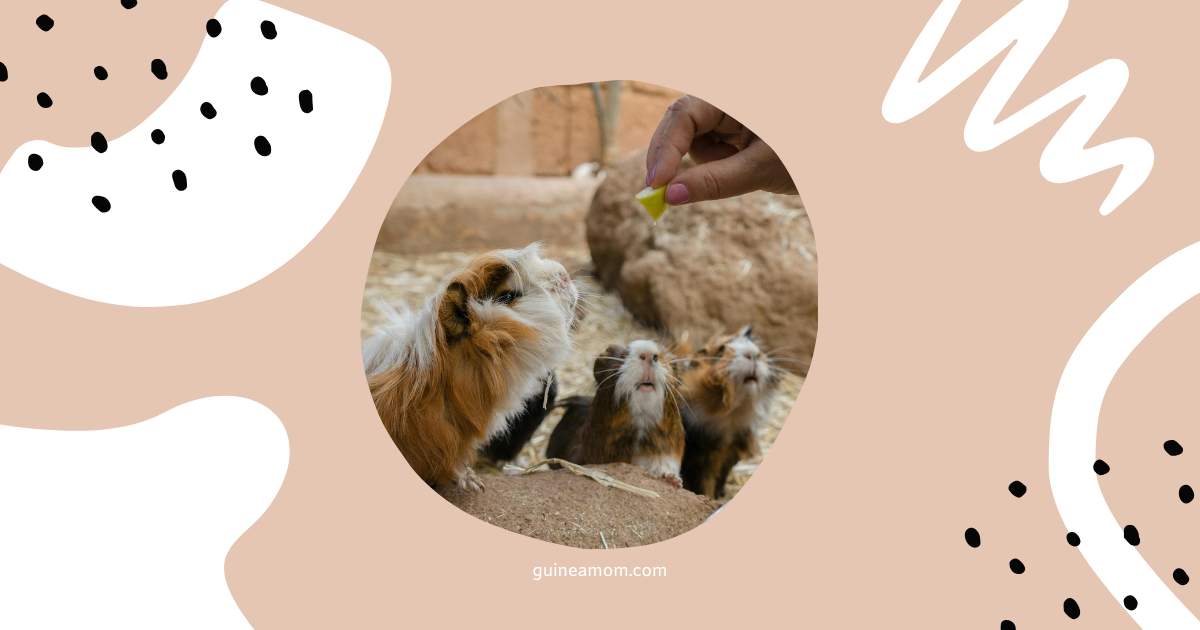
- Enrichment and enjoyment — many guinea pigs love grapes, and hand-feeding a treat is a lovely bonding moment (often rewarded with delighted wheeking!).
Just remember: if you’re after vitamin C, vegetables do the job far better without the sugar.
Introducing Grapes for the First Time
As with any new food, go slowly:
- Start with a tiny piece — a quarter of a grape is plenty.
- Wait 24 hours and check their droppings and appetite before offering more.
- Watch for soft stools or diarrhea, which means it doesn’t suit them.
- Introduce only one new food at a time, so you know what caused any reaction.
When to Call a Vet
Contact your vet promptly if, after eating grapes, your guinea pig:
- Has diarrhea lasting more than a few hours, or very soft droppings
- Stops eating or eats noticeably less (a genuine emergency in guinea pigs)
- Produces few or no droppings
- Seems bloated, hunched, or in pain
- Shows signs of choking — pawing at the mouth, distress, difficulty swallowing, or noisy breathing (urgent)
- Shows a possible allergic reaction — facial swelling, hives, or breathing difficulty (rare, but an emergency)
Guinea pigs shouldn’t go long without eating, so any loss of appetite deserves quick attention.
Better Everyday Treat Alternatives
If you want to treat your pig more often, these are far better daily options than fruit:
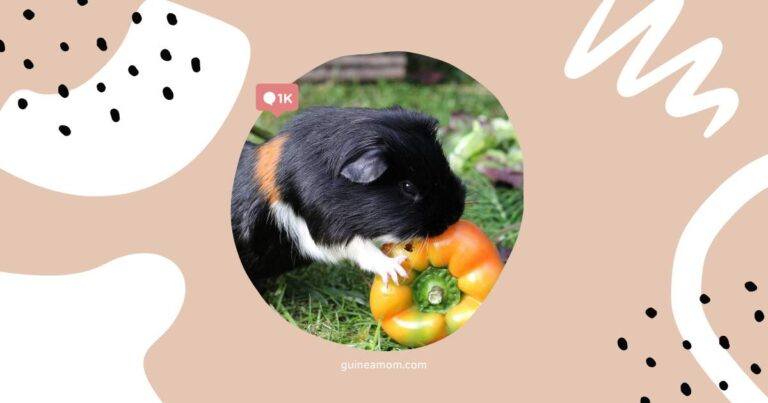
- Bell pepper — the vitamin C champion, low in sugar, and perfect for daily feeding
- Fresh herbs — cilantro, parsley (in moderation, as it’s high in calcium), basil, dill
- Cucumber — hydrating and low in sugar
- Leafy greens — romaine and other safe lettuces
- A little zucchini or celery
Save grapes and other fruit for the occasional special treat.
For the full list of safe fruits and portions, see Best Fruits for Guinea Pigs.
Key Takeaways
- Yes, guinea pigs can eat grapes — as a small, occasional treat, not a regular food.
- Grapes are NOT toxic to guinea pigs the way they are to dogs; the real risks are sugar and choking.
- They’re very high in sugar (over 15%), which can cause digestive upset, disrupt gut bacteria, and contribute to obesity.
- Serve one to two small grapes per pig, once or twice a week at most — and fruit overall should be under about 5% of their diet.
- Prepare properly — wash well, use seedless (or remove seeds), cut into halves or quarters, leave the skin on, and serve raw at room temperature.
- Color barely matters — red, green, and black are all similar; portion size matters far more.
- Never feed raisins, grape juice, jelly, or any dried, canned, or sweetened grape products.
- Introduce slowly, watch for soft stools, and call a vet for diarrhea, loss of appetite, bloating, choking, or swelling.
This article is intended as general educational information for guinea pig owners and is not a substitute for professional veterinary advice. Introduce all new foods gradually, and consult a qualified veterinarian experienced with guinea pigs if your pig shows digestive upset or any signs of illness.