Best Fruits For Guinea Pigs
The safest, healthiest fruits to treat your piggy with — plus portions, frequency, and which fruits to avoid.
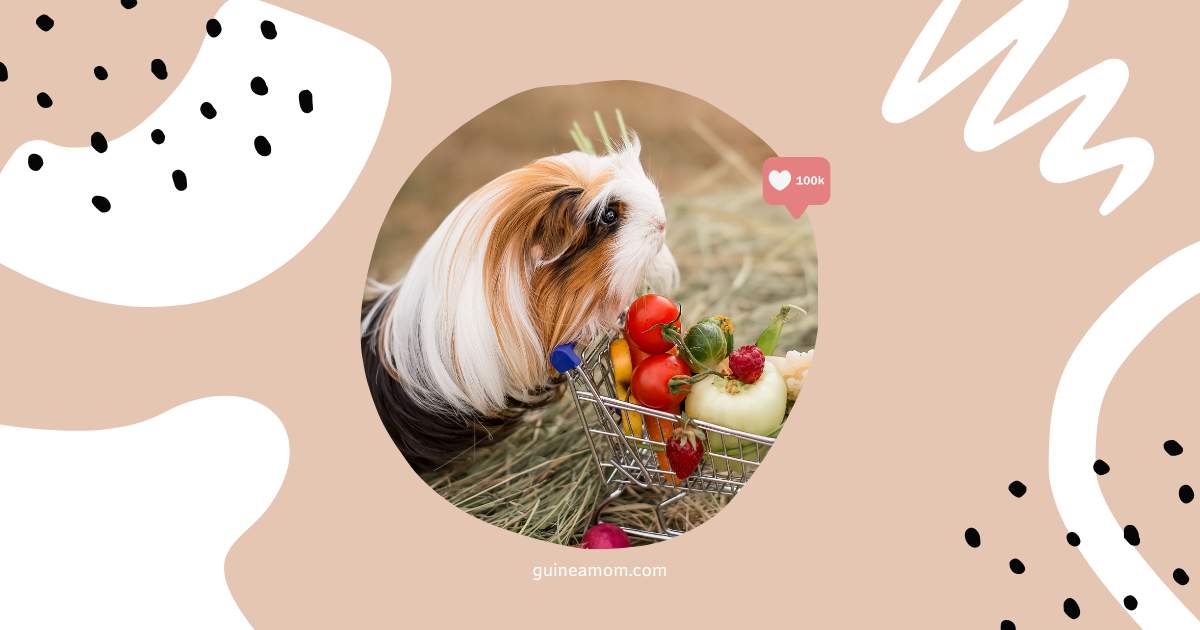
The best fruits for guinea pigs are the ones that are lower in sugar and higher in vitamin C — with strawberries, blueberries, kiwi, and apple topping the list, followed by pear, melon, watermelon, and papaya. But the golden rule with all fruit is moderation: fruit is high in sugar and should be an occasional treat, making up no more than about 5% of your guinea pig’s diet. A sensible serving is one or two small bite-size pieces per pig, once or twice a week. Some fruits need extra limiting (banana, grapes, mango), and a few must be avoided entirely — including avocado and rhubarb, which are genuinely toxic, plus all dried fruit and fruit juice. Here’s the full guide to the best fruits and how to serve them safely.
First: Fruit Is a Treat, Not a Food Group
Before the list, this is the most important principle. Guinea pigs are herbivores built for a high-fiber, low-sugar diet, and their digestive systems depend on constant fiber from hay. Fruit is high in natural sugar, which can disrupt their gut bacteria, cause soft stools and diarrhea, and contribute to obesity if overfed.
So the correct place for fruit is:
- Hay — around 80% of the diet, unlimited, always available
- Fresh vegetables — daily
- Pellets — a small measured portion
- Fruit — an occasional treat, under about 5% of the diet
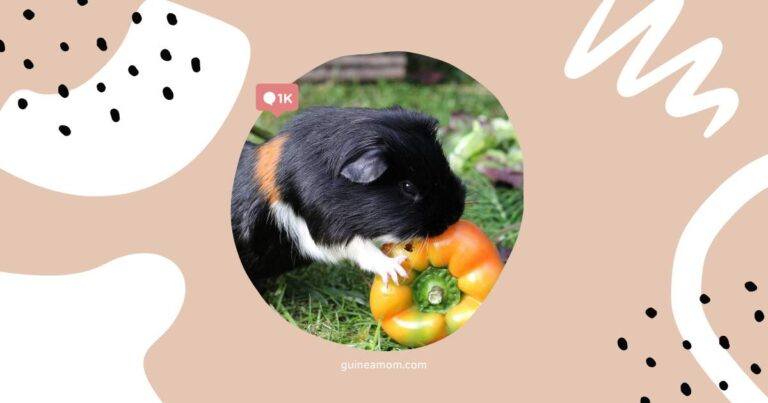
And here’s a useful point: if you’re feeding fruit for vitamin C, bell peppers do the job far better — they’re packed with vitamin C, low in sugar, and safe to feed daily. Fruit is really about enrichment and enjoyment.
The Best Fruits for Guinea Pigs
Here are the top choices, from best to more limited:
1. Strawberries — the all-round best pick
Strawberries are a fantastic guinea pig fruit: rich in vitamin C and antioxidants, and lower in sugar than many fruits. Even the small seeds are safe. The leafy tops are generally fine in moderation too (if pesticide-free).
Serving: one medium strawberry, or a few small slices, about once a week.
Read more: Can Guinea Pigs Eat Strawberries?
2. Blueberries — antioxidant powerhouse
Blueberries are packed with antioxidants and vitamin C, plus fiber and water — and they’re conveniently bite-sized. Just remember they’re sweet.
Serving: one or two blueberries, about once a week.
3. Kiwi — the vitamin C champion
Here’s a fact worth knowing: kiwi has the highest vitamin C concentration of the commonly offered fruits, ahead of strawberries, papaya, and citrus. That makes it a genuinely valuable occasional treat.
Serving: a small cube, about once a week.
4. Apple — a classic favorite
Apples are a well-loved treat, providing fiber and antioxidants (especially in the skin). They’re relatively low in vitamin C, so pair them with vitamin-C-rich veggies.
Serving: a thin, small wedge once or twice a week. Always remove the seeds and core — apple seeds are unsafe. Wash well and leave the skin on.
5. Pear — a gentle occasional treat
Pear works much like apple: a pleasant, fiber-containing occasional treat.
Serving: a small piece, occasionally. Remove the seeds and core.
6. Watermelon — hydrating summer treat
Watermelon flesh is mostly water and sugar, making it refreshing and hydrating — lovely on a hot day — but easy to overfeed. The well-washed rind is also safe and lower in sugar.
Serving: a small cube of flesh, about once a week. Remove all seeds (choking hazard).
Read more: Can Guinea Pigs Eat Watermelon?
7. Melon (cantaloupe/honeydew) — a juicy extra
Melon is another hydrating, mildly sweet option for variety.
Serving: a small piece, occasionally, with seeds removed.
8. Papaya — a tasty vitamin C source
Papaya is relatively rich in vitamin C and popular with many pigs.
Serving: a small piece, occasionally.
9. Orange — high vitamin C, but acidic
Oranges are an excellent vitamin C source, but they’re acidic and sugary, which can bother sensitive tummies and mouths.
Serving: a small segment, now and then only. (Avoid lemon, lime, and grapefruit — too acidic.)
Fruits to Feed Very Sparingly
These are safe but especially sugary, so keep them rare:
- Banana — very high in sugar and starch; can cause bloating, weight gain, or diarrhea. A thin slice every week or two at most.
- Grapes — safe (and not toxic to guinea pigs the way they are to dogs), but sugary. One or two small grapes a week, halved, seedless.
- Mango — delicious but very sweet; a tiny piece rarely.
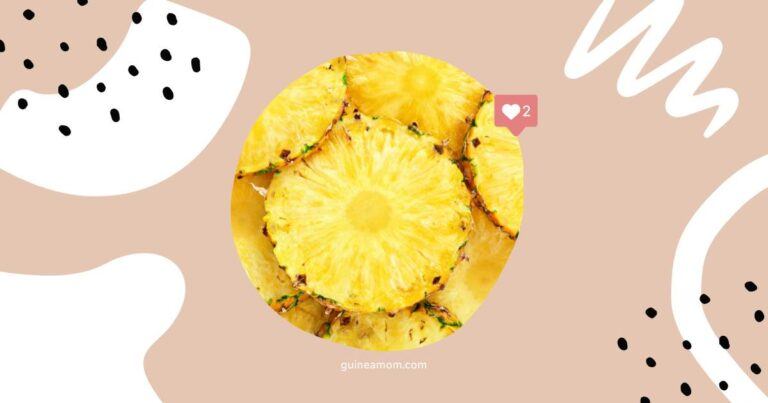
- Pineapple — only very occasionally, in tiny amounts, due to high sugar and acidity.
Fruits to Avoid Completely
Some fruits are genuinely unsafe:
- Avocado — toxic to guinea pigs. Never feed.
- Rhubarb (stalks and leaves) — highly toxic. Never feed.
- All dried fruit — raisins, sultanas, dates, dried mango, banana chips. Drying concentrates the sugar enormously, making it far too sugary. (Watch out: many commercial “guinea pig treats” contain dried fruit — always check the ingredients.)
- Fruit juice — no fiber, concentrated sugar.
- Canned, cooked, sweetened, or frozen fruit — avoid; cold or processed fruit can upset their digestion.
- Apple seeds and stone-fruit pits (peach, plum, cherry stones) — always remove before feeding.
- Highly acidic citrus — lemon, lime, and grapefruit are too acidic.
How Much Fruit and How Often?
Guidance varies slightly between sources, but a safe, widely-recommended approach is:
- Portion: one to two small, bite-size pieces per guinea pig — think a thin apple slice, one small strawberry, a couple of blueberries, or a small cube of kiwi.
- Frequency: once or twice a week is a sensible standard. (Some owners offer small amounts a little more often, but less is safer, especially for pigs prone to weight gain.)
- Rotate — vary which fruit you offer rather than stacking several in one week.
- Overall: keep fruit under about 5% of the total diet.
Feed less or skip fruit entirely if your guinea pig is overweight, has digestive problems, or has a history of bladder issues. Young pigs, seniors, and pigs with medical conditions may need a different approach — ask your vet.
How to Serve Fruit Safely
- Wash thoroughly — pesticide residue is a real concern, especially on skins you’re leaving on.
- Remove all seeds, pits, and cores.
- Cut into small pieces to reduce choking risk.
- Serve fresh and raw, at room temperature (not straight from the fridge).
- Introduce one new fruit at a time, starting with a tiny amount, and wait a day to check droppings and appetite.
- Remove uneaten fruit after a couple of hours so it doesn’t spoil in the cage.
When to Call a Vet
Contact your vet if, after eating fruit, your guinea pig has diarrhea lasting more than a few hours, stops eating (a genuine emergency in guinea pigs), produces few or no droppings, or seems bloated, hunched, or in pain. Any choking signs — pawing at the mouth, distress, or noisy breathing — need urgent attention.
Key Takeaways
- The best fruits for guinea pigs are strawberries, blueberries, kiwi, and apple — followed by pear, watermelon, melon, papaya, and (occasionally) orange.
- Fruit is a treat, not a food group — keep it under about 5% of the diet, behind hay (~80%), vegetables, and pellets.
- Serve one to two small bite-size pieces per pig, once or twice a week, and rotate the fruits you offer.
- Kiwi has the most vitamin C of the common fruits — but bell peppers are a better daily vitamin C source, being low in sugar.
- Feed very sparingly: banana, grapes, mango, and pineapple — all especially sugary.
- Never feed: avocado and rhubarb (toxic), all dried fruit, fruit juice, canned/cooked/sweetened fruit, apple seeds and stone pits, or highly acidic citrus.
- Serve safely — wash well, remove seeds and pits, cut small, offer raw at room temperature, introduce one at a time, and remove leftovers.
- Skip or reduce fruit for overweight pigs or those with digestive or bladder problems.
This article is intended as general educational information for guinea pig owners and is not a substitute for professional veterinary advice. Introduce all new foods gradually, and consult a qualified veterinarian experienced with guinea pigs if your pig shows digestive upset or any signs of illness.