Can Guinea Pigs Eat Rabbit Food?
Pellets, muesli, treats, hay, and forage — which types of rabbit food are okay for guinea pigs, and which aren’t.
“Rabbit food” covers a lot of different products, so the answer depends on which type you mean — but as a general rule, guinea pigs should not be fed food made for rabbits as their diet. The single biggest reason is vitamin C: rabbits make their own, so rabbit food isn’t fortified with it — but guinea pigs can’t make vitamin C and will develop scurvy without a daily supply. Beyond that, rabbit food is formulated for a different animal’s nutritional needs, and some rabbit products contain ingredients or medications that can be harmful to guinea pigs. Here’s the quick breakdown: rabbit pellets — no (get guinea pig pellets); rabbit muesli mixes — no; rabbit treats — usually no; plain grass hay sold for rabbits — yes, that’s fine; rabbit-branded herbs and forage — often okay if the ingredients are guinea-pig-safe. Let’s go through each type.
Why Rabbit Food Isn’t Made for Guinea Pigs
Before the specifics, the core issue: rabbits and guinea pigs have different nutritional needs, and rabbit food is designed for rabbits. Three differences matter most:
1. Vitamin C (the big one). Guinea pigs, like humans, can’t produce their own vitamin C and must get it from their diet every day, or they develop scurvy — a serious, potentially fatal deficiency. Good guinea pig food is fortified with vitamin C for this reason. Rabbit food is not, because rabbits make their own vitamin C and don’t need it added. This alone makes rabbit food unsuitable as a guinea pig’s staple.
2. Different nutrient balance. Rabbit food is formulated with the protein, fiber, and mineral balance a rabbit needs — not the specific profile guinea pigs require. Fed long-term, this imbalance can contribute to malnutrition and health problems.
3. Possible harmful ingredients. Some rabbit products contain additives or medications (such as certain antibiotics used for rabbits) that can be harmful, even dangerous, to guinea pigs. You can’t always assume, so it’s a genuine risk.
The important nuance: rabbit food generally isn’t acutely toxic, so a guinea pig nibbling a little won’t be poisoned. The problem is with relying on it as their food over time. Now, type by type:
Rabbit Pellets — No
Guinea pigs should not eat rabbit pellets as their food. They lack the added vitamin C guinea pigs need, and have the wrong nutrient balance. Always choose guinea-pig-specific, vitamin-C-fortified pellets instead.
(For the full details on this — including the “in a pinch” exception and what to do if your pig eats some — see our dedicated guide: Can Guinea Pigs Eat Rabbit Pellets?)
Rabbit Muesli Mixes — No
Muesli-style rabbit foods — the colorful mixes with seeds, grains, corn, dried fruit, and pellets all together — are a double no for guinea pigs. Not only do they share the vitamin C and formulation problems of all rabbit food, but muesli mixes are widely considered unhealthy in general (even for rabbits). They encourage selective feeding (pigs pick out the sugary bits and leave the healthy parts), contribute to obesity and dental problems, and the seeds and grains can be choking hazards. Avoid these entirely.
Rabbit Treats — Usually No
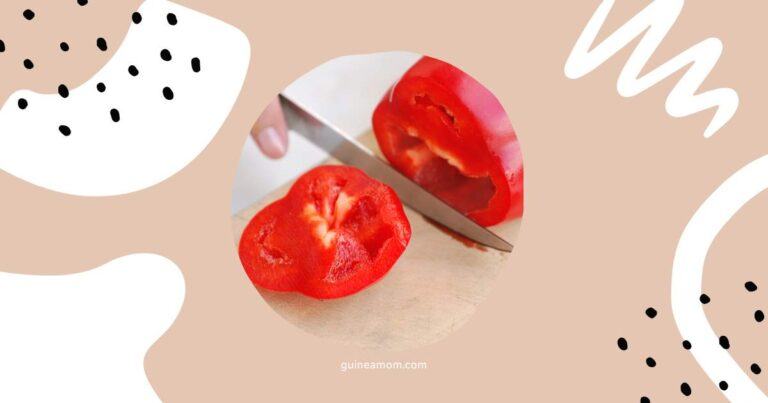
Treats marketed for rabbits — yogurt drops, honey/seed sticks, dried-fruit treats, and similar — are best avoided for guinea pigs. Most are high in sugar, fat, or dairy, none of which suit a guinea pig’s digestive system, and yogurt/dairy treats in particular are unsuitable (guinea pigs are herbivores who don’t digest dairy). Stick to guinea-pig-safe treats — a slice of bell pepper, a bit of herbs, or a small piece of safe fruit.
Plain Grass Hay Sold for Rabbits — Yes
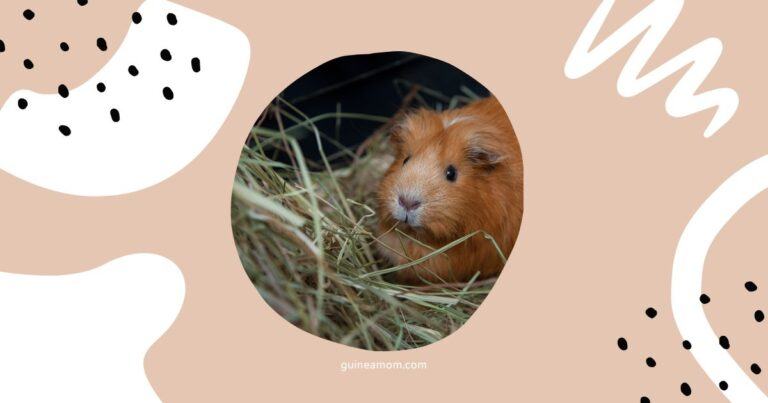
Here’s some good news. Plain grass hay — timothy, orchard, meadow — is the same product whether it’s labeled for rabbits or guinea pigs. Hay is hay. So a bag of plain timothy hay marketed for rabbits is perfectly fine for guinea pigs (and often cheaper in bigger bags). Just make sure it’s:
- Plain grass hay (timothy, orchard, meadow) — not alfalfa for adult pigs (too high in calcium)
- Fresh, green, and sweet-smelling — not dusty or moldy
- Free of added treats, seeds, or flavorings
This is one case where “rabbit” on the label genuinely doesn’t matter.
Rabbit-Branded Herbs and Forage — Often Okay
Many dried herbs, flowers, and forage blends are sold under rabbit branding but are simply natural plants that are also safe for guinea pigs — things like dried dandelion, chamomile, or plantain. These are often fine, but with a caveat: check every ingredient against a guinea-pig-safe list first, since some forage blends include plants that suit rabbits but aren’t ideal for guinea pigs. When the ingredients are all guinea-pig-safe, these can be a nice natural addition.
What Guinea Pigs Should Eat Instead
To keep it simple, a proper guinea pig diet is:
- Unlimited grass hay (~80% of the diet) — plain timothy, orchard, or meadow (rabbit-labeled is fine).
- Fresh vegetables daily, including vitamin-C-rich ones like bell pepper.
- A small portion of guinea-pig-specific, vitamin-C-fortified pellets — never rabbit pellets.
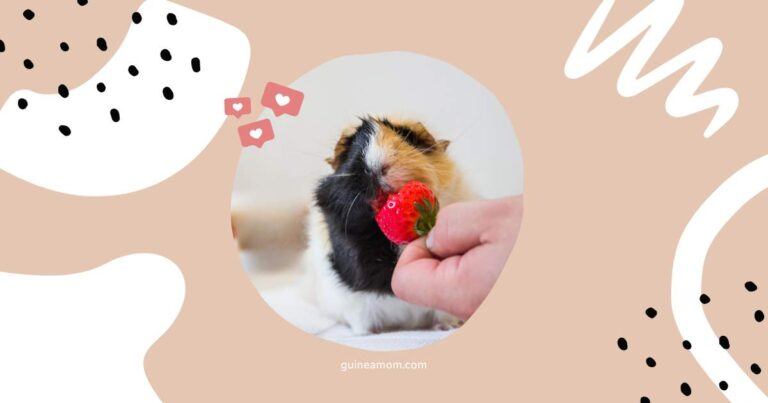
- Occasional fruit as a treat, and guinea-pig-safe treats rather than rabbit ones.
- Fresh, clean water always available.
What If My Guinea Pig Ate Some Rabbit Food?
Don’t panic — a small, one-off amount of most rabbit food is very unlikely to cause harm, since it’s not acutely toxic. Just:
- Make sure they have plenty of hay and vitamin-C-rich veg.
- Switch back to proper guinea pig food.
- Monitor their droppings and appetite.
- Contact your vet if they seem unwell, or if the rabbit food contained medications or lots of seeds/sugary bits.
A Note on Keeping Guinea Pigs and Rabbits
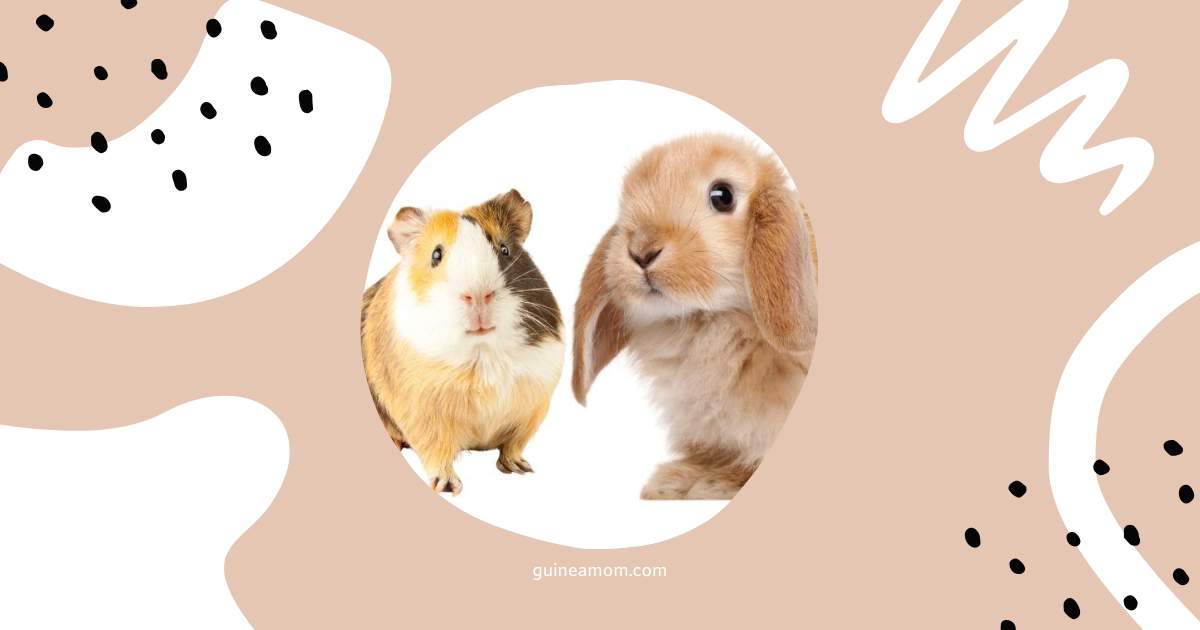
This question often comes up because someone keeps both — but guinea pigs and rabbits shouldn’t share food or live together. Beyond the different diets, rabbits can carry a bacteria (Bordetella) that makes guinea pigs ill, and can injure or bully them. Feed and house them separately, each with species-appropriate care.
Key Takeaways
- “Rabbit food” varies — the answer depends on the type, but rabbit food generally shouldn’t be a guinea pig’s diet.
- The main reason is vitamin C — rabbit food isn’t fortified with it (rabbits make their own), and guinea pigs need a daily supply or they get scurvy.
- Rabbit pellets — no (use guinea-pig-specific, vitamin-C-fortified pellets instead).
- Rabbit muesli mixes — no (selective feeding, obesity, choking hazards — avoid entirely).
- Rabbit treats — usually no (too sugary, fatty, or dairy-based).
- Plain grass hay sold for rabbits — yes (hay is hay; just avoid alfalfa for adults and any added treats).
- Rabbit-branded herbs/forage — often okay if every ingredient is guinea-pig-safe.
- A nibble won’t poison them — it’s not acutely toxic — but don’t rely on it; feed a proper guinea pig diet, and keep guinea pigs and rabbits (and their food) separate.
This article is intended as general educational information for guinea pig owners and is not a substitute for professional veterinary advice. If your guinea pig shows signs of illness or vitamin C deficiency, or has eaten rabbit food containing medications, consult a qualified veterinarian experienced with guinea pigs.