Can Guinea Pigs Eat Cucumber?
Yes — skin, seeds and all. A refreshing favorite, but it’s mostly water, so don’t let it crowd out better veg.
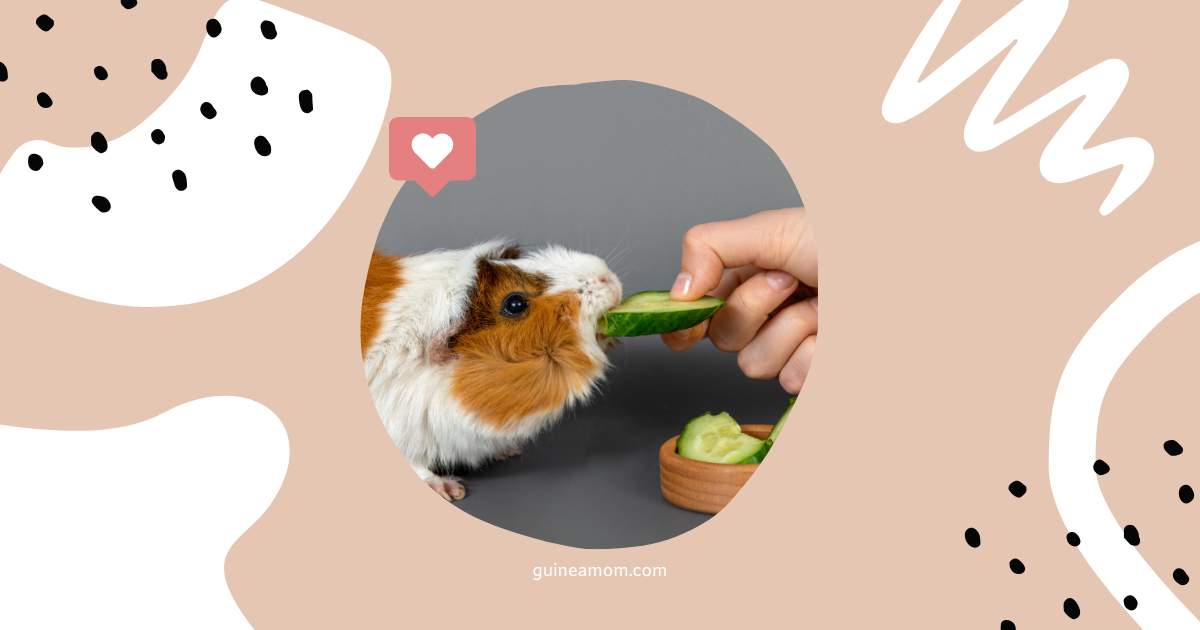
Yes, guinea pigs can eat cucumber — and most of them love it. Every part is safe: the flesh, the seeds (soft, no choking risk), and the skin (which actually holds most of the fiber and nutrients). Cucumber is low in sugar, low in calcium, and wonderfully hydrating, making it a great summer treat. But here’s the honest catch: cucumber is about 95–96% water — the highest of any commonly fed vegetable — and correspondingly low in nutrition, including vitamin C. So the two things to watch are that too much causes diarrhea, and that it can displace more nutritious vegetables. A sensible serving is one or two thin slices, a few times a week. Always wash it well — cucumbers are often waxed and sprayed. Here’s the full guide.
Is Cucumber Safe for Guinea Pigs?
Very much so. Cucumber is one of the safest, gentlest vegetables you can offer a guinea pig, and it’s a firm favorite with most pigs — mild, crunchy, and refreshing. It’s also one of the best low-calcium vegetables available, which is a genuine plus given how prone guinea pigs are to bladder stones.
You can feed the whole thing: flesh, seeds, and skin. Some pigs prefer the crunchy skin to the watery middle, some the opposite, and some eat the lot — it’s worth offering a slice with everything on and seeing what your pig leaves behind.
The Honest Downside: It’s Mostly Water
Cucumber is about 95–96% water, which is the highest water content of any commonly fed pet vegetable. That’s brilliant for hydration — especially on hot days or for pigs who don’t drink much — but it creates two real issues:
1. Too much causes diarrhea. All that water can loosen a guinea pig’s stools, and in an animal this small, diarrhea leads quickly to dehydration — ironically, the opposite of what you were going for. Bloating and gas are possible too.
2. It’s low in nutrition. Cucumber contains only a small amount of vitamin C (around 5mg per 100g — far less than bell peppers), and not much fiber. It’s better thought of as refreshment than nutrition. The risk is that a pig fills up on cucumber and eats less of the vegetables that actually deliver the vitamin C they need daily.
Neither is a reason to avoid cucumber — just to keep portions sensible and pair it with more nutritious veg.
How Much Cucumber Can a Guinea Pig Eat?
Guidance varies a little between sources, but a safe approach:
- Portion: about one to two thin slices (roughly a 1–2 inch section of a standard cucumber) per guinea pig.
- Frequency: a few times a week is the most commonly recommended. A thin slice daily is fine for many pigs — but because cucumber is watery and low in nutrients, it shouldn’t be the centerpiece of their daily veg.
- Always pair it with vitamin-C-rich vegetables like bell pepper, so cucumber isn’t taking up the whole daily portion.
- Reduce it if you notice soft stools — that’s your pig telling you it’s too much.
Skin and Seeds: Both Safe
The skin is safe — and the best bit nutritionally. It holds most of the cucumber’s fiber and nutrients, and many pigs prefer its crunch. But wash it very thoroughly: supermarket cucumbers are frequently waxed and can carry pesticide residue. Look for unwaxed or organic cucumbers if you plan to leave the skin on, and give it a proper scrub either way.
The seeds are safe too. They’re soft and moist, so there’s no choking risk, and they contain some useful nutrients. (One small note: cucumber seeds contain compounds with a mild diuretic effect, so very large amounts could contribute to frequent urination — another reason to keep portions modest.)
There’s no need to peel or deseed — just wash.
How to Serve Cucumber Safely
- Wash thoroughly under running water, scrubbing the skin (or choose organic/unwaxed).
- Slice into thin rounds or small pieces.
- Leave the skin and seeds on unless your pig dislikes them.
- Serve raw and at room temperature — not fridge-cold, which can upset their stomach.
- Introduce gradually if it’s new, checking droppings the next day.
- Remove uneaten cucumber after a few hours before it goes slimy.
What NOT to Feed
- Cucumber juice — removes the fiber and concentrates the sugars.
- Pickled cucumber / gherkins — the salt and vinegar are genuinely harmful.
- Cooked cucumber — guinea pigs eat raw food only.
- Waxed skin that hasn’t been thoroughly washed.
- Slimy, moldy, or spoiled cucumber.
Cucumber Is Great for Summer
One genuinely useful application: cucumber is an excellent hot-weather treat. Guinea pigs cope poorly with heat, and a chilled-but-not-cold slice of cucumber helps with hydration on a warm day — particularly for pigs who don’t drink much from their bottle. Just let it come to room temperature rather than serving it straight from the fridge, and keep the portion sensible.
When to Call a Vet
Contact your vet if, after eating cucumber, your guinea pig has diarrhea lasting more than a few hours, stops eating (a genuine emergency in guinea pigs), produces few or no droppings, or seems bloated, hunched, or in pain.
Key Takeaways
- Yes — cucumber is safe and well loved, and every part is edible: flesh, seeds, and skin.
- The skin holds most of the fiber and nutrients — leave it on, but wash very thoroughly, as cucumbers are often waxed and sprayed (organic/unwaxed is ideal).
- The seeds are soft and safe — no need to remove them.
- It’s about 95–96% water — brilliant for hydration, but too much causes diarrhea.
- It’s low in nutrition, including vitamin C — so don’t let it displace better vegetables like bell pepper.
- Serve one to two thin slices, a few times a week (a thin slice daily is fine for many pigs), always alongside more nutritious veg.
- Never feed cucumber juice, pickles/gherkins, cooked cucumber, or anything spoiled.
- Great summer treat — serve at room temperature, not fridge-cold.
This article is intended as general educational information for guinea pig owners and is not a substitute for professional veterinary advice. Introduce all new foods gradually, and consult a qualified veterinarian experienced with guinea pigs if your pig shows digestive upset or any signs of illness.