Top 10 Foods For A Healthy Guinea Pig Diet
The foods that keep your piggy thriving — and how much of each they actually need.
A healthy guinea pig diet is built on a simple foundation: unlimited grass hay, a daily portion of fresh vegetables, a small amount of vitamin C–fortified pellets, and constant access to fresh water. Hay should make up the vast majority of what your piggy eats — it’s not a side dish, it’s the main event. From there, the best everyday foods are bell peppers (a vitamin C superstar), leafy lettuces, fresh herbs, cucumber, and fresh grass, with dark leafy greens and fruit offered in smaller, more careful amounts. The key thing to remember is that guinea pigs can’t make their own vitamin C, so their diet has to supply it every single day. Get the balance right and you’ll prevent a huge range of health problems before they ever start.
How a Guinea Pig’s Diet Should Be Balanced
Before the list, it helps to picture the overall proportions, because “top 10 foods” doesn’t mean “feed all ten in equal amounts.” A healthy daily diet roughly breaks down like this:
- Hay — around 80% of the diet. Always available, never rationed.
- Fresh vegetables — about one cup per pig, per day, ideally a mix.
- Pellets — roughly an eighth of a cup per day, as a supplement, not a meal.
- Fruit — an occasional treat, a couple of small pieces a few times a week at most.
- Water — fresh and unlimited, all day, every day.
With that picture in mind, here are the ten foods that belong in a healthy guinea pig’s life — starting with the non-negotiable foundation.
1. Grass Hay — The Foundation of Everything
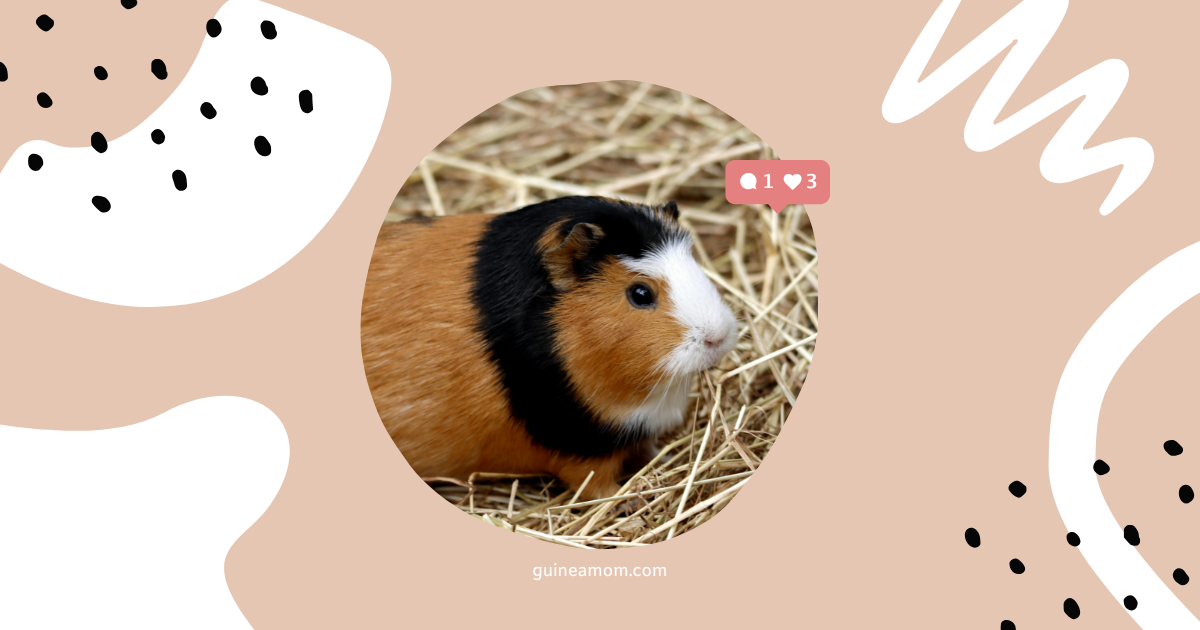
If you only get one thing right, make it hay. Grass hay (Timothy, orchard, or meadow hay) should be available to your guinea pig 24 hours a day, and it should make up the bulk of everything they eat.
Hay does two crucial jobs at once. First, the constant chewing wears down those ever-growing teeth, preventing painful dental problems. Second, the high fiber keeps the digestive system moving, which is essential for avoiding the bloat and GI stasis that can turn into emergencies. A piggy that runs out of hay is a piggy heading for trouble.
A quick note on alfalfa: it’s a legume hay, not a grass hay, and it’s high in calcium and protein. It’s great for babies, pregnant or nursing sows, and underweight pigs — but for healthy adults, stick to grass hay to avoid bladder stones.
2. Bell Peppers — The Vitamin C Superstar
Bell peppers are arguably the single best vegetable you can offer. They’re loaded with vitamin C (which guinea pigs desperately need and can’t produce), low in calcium, and low in sugar — basically the perfect everyday veg.
All colors are fine. Red, yellow, and orange peppers are slightly sweeter and even higher in vitamin C, while green peppers are perfectly good too and a touch lower in sugar. Remove the seeds and stem, slice off a strip or two, and watch your piggy go wild. Most guinea pigs absolutely love them, which makes them an easy daily win.
3. Leafy Green Lettuces — The Daily Greens
Soft leafy lettuces are a fantastic daily staple. Romaine, green leaf, red leaf, and butterhead lettuces are nutritious, hydrating, and gentle on the digestive system.
The one to avoid is iceberg lettuce — it’s mostly water with very little nutrition and can cause loose stools. Stick to the darker, leafier varieties, which offer real vitamins and fiber. A few leaves a day make an excellent base for your piggy’s fresh-veg portion.
4. Fresh Grass — Nature’s Snack
If you have access to clean, untreated, pesticide-free grass, your guinea pig will adore it. Grazing on fresh grass is about as natural as it gets for a piggy, and it’s great for both digestion and dental wear.
A few important rules: make sure the grass hasn’t been treated with chemicals or fertilizers and isn’t from an area frequented by other animals. Introduce it slowly to avoid upsetting their stomach, and never feed lawnmower clippings — they ferment quickly and can make your piggy very ill.
5. Fresh Herbs — Tiny but Mighty
Fresh herbs are nutrient-dense, fragrant, and usually a huge hit. Cilantro (coriander), parsley, dill, and basil are all excellent choices and add welcome variety to the menu.
Parsley in particular is rich in vitamin C, though it’s also fairly high in calcium, so offer it in moderation rather than by the handful. Rotating a few different herbs through the week keeps mealtimes interesting and broadens the range of nutrients your piggy gets.
6. Cucumber — Cool and Hydrating
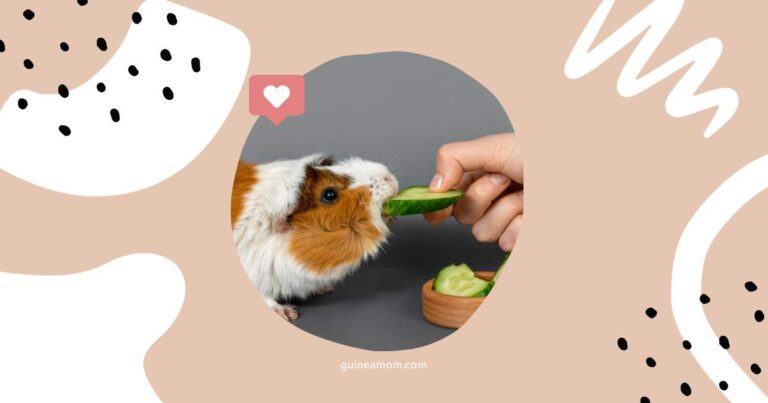
Cucumber is a refreshing, low-calorie food that’s especially welcome on warm days thanks to its high water content. It’s mild, easy to digest, and most guinea pigs enjoy it.
The flip side of all that water is that cucumber offers relatively little in the way of nutrients, and too much can cause soft stools. Treat it as a hydrating extra alongside more nutritious greens rather than a main component, and you’ll have a happy, well-watered piggy.
7. Cherry Tomatoes — A Vitamin C Boost
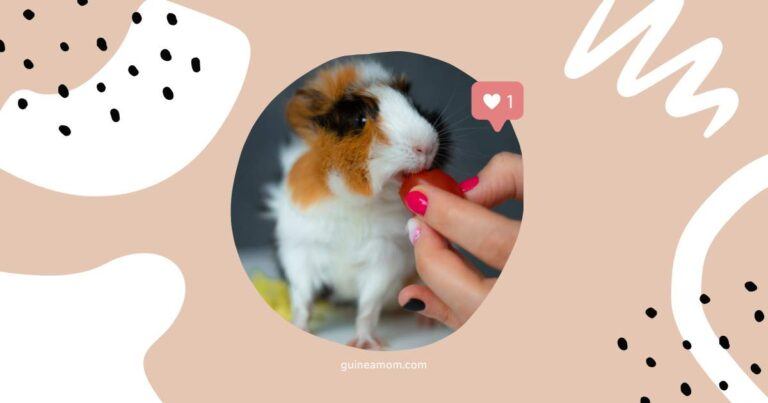
A small cherry tomato (or a slice of a larger one) makes a tasty, vitamin C–rich treat that many guinea pigs love. They’re juicy, sweet, and a nice way to add variety.
Two cautions, though. First, tomatoes are slightly acidic and contain some sugar, so keep portions small. Second — and this is important — never feed the leaves, stems, or unripe green parts of the tomato plant, as they’re toxic to guinea pigs. Ripe flesh only.
8. Vitamin C–Fortified Pellets — The Reliable Supplement
A good-quality, guinea-pig-specific pellet helps fill nutritional gaps and provides a consistent, reliable source of vitamin C. Look for a plain, Timothy-hay-based pellet that’s fortified with stabilized vitamin C.
Skip the colorful “muesli” mixes with seeds, dried fruit, and corn pieces — guinea pigs tend to pick out the sugary bits and leave the healthy parts, leading to an unbalanced diet. And remember that pellets are a supplement, not the main meal: about an eighth of a cup per pig per day is plenty. Hay and fresh veg should always do the heavy lifting.
9. Dark Leafy Greens — Nutrient-Dense, in Moderation
Greens like kale, spinach, Swiss chard, and arugula are packed with vitamins and minerals, and they’re a valuable part of a varied diet. The catch is that many of them are high in calcium and/or oxalates, which can contribute to bladder stones if fed in excess.
The solution is simple: offer them in smaller amounts and rotate them rather than feeding the same one daily. A few leaves of kale a couple of times a week, mixed in with lower-calcium foods like bell pepper and leaf lettuce, gives your piggy the benefits without the risk.
10. Fruit — The Occasional Sweet Treat
Fruit is the dessert of the guinea pig world: delicious, often high in vitamin C, but also high in sugar, which means it should be an occasional treat rather than a daily staple. Strawberries, blueberries, apple (no seeds), orange segments, and kiwi are all popular and piggy-safe.
Keep portions tiny — think a single blueberry, a small slice of strawberry, or a thin sliver of apple — and offer fruit just a few times a week. Too much sugar can lead to digestive upset and weight gain. Used sparingly, though, fruit is a wonderful way to bond with your piggy and make their day.
A Few Golden Rules for Feeding
Knowing the best foods is half the battle; feeding them well is the other half.
- Introduce new foods slowly. Add one new item at a time and watch for any soft stools or tummy upset before adding another.
- Wash everything thoroughly. Fresh produce should be rinsed well to remove pesticides and dirt.
- Serve fresh and remove leftovers. Take out any uneaten fresh food after a few hours so it doesn’t spoil in the cage.
- Variety is your friend. Rotating several vegetables and herbs gives a broader range of nutrients and keeps mealtimes exciting.
- Watch the calcium. Excess calcium is a leading cause of bladder problems, so balance higher-calcium greens with milder options.
- Always provide fresh water. Check and refill the bottle or bowl daily, and clean it regularly to prevent algae and bacteria.
Foods to Keep Off the Menu
While we’re here, it’s worth flagging a few things guinea pigs should never eat: iceberg lettuce (in any real quantity), potatoes and potato leaves, onions and garlic, rhubarb, avocado, chocolate, dairy, meat, bread, and any processed human snacks. Their digestive systems are strictly herbivorous and surprisingly delicate, so when in doubt, leave it out and check with a reliable source first.
Key Takeaways
- Hay is the foundation. Unlimited grass hay should make up around 80% of the diet — it’s essential for both teeth and digestion.
- Vitamin C every day is a must. Guinea pigs can’t produce their own, so fresh veg (especially bell peppers) and fortified pellets need to supply it daily.
- Fresh vegetables are the daily extra — about a cup per pig, built mostly from low-calcium, low-sugar options like bell peppers, leaf lettuces, and herbs.
- Pellets are a supplement, not a meal. A small daily portion of a plain, Timothy-based, vitamin C–fortified pellet is all that’s needed.
- Watch calcium and sugar. Dark leafy greens and fruit are nutritious but should be fed in moderation to avoid bladder stones and weight gain.
- Variety and slow introductions keep the diet balanced and the digestive system happy.
- Fresh water, always. It’s easy to overlook, but constant clean water is just as important as the food.
- Know the “never” list. Some common foods — iceberg lettuce, onions, potatoes, avocado, chocolate, and dairy among them — are harmful and should always be avoided.
This article is intended as general educational information for guinea pig owners and is not a substitute for professional veterinary advice. If your guinea pig has specific dietary needs or health concerns, please consult a qualified veterinarian.