20 Guinea Pig Foods High In Vitamin C
The best vitamin-C-rich foods for your piggy — and how often to feed each one safely.
Guinea pigs can’t make their own vitamin C, so they need it from food every single day — and the best sources are bell peppers (the daily MVP), along with many leafy greens and vegetables, plus some fruits. But here’s the crucial part most lists skip: “high in vitamin C” doesn’t mean “feed unlimited.” Many vitamin-C-rich greens (like kale and parsley) are also high in calcium, which can cause bladder stones if fed too often, and vitamin-C-rich fruits are high in sugar, so they’re occasional treats only. That’s why the 20 foods below are grouped by how often to feed them — daily-friendly, a few times a week, and occasional treats — so you can boost your pig’s vitamin C safely. Variety and moderation are the key.
Why Vitamin C Matters So Much
Like humans (and unlike most animals), guinea pigs can’t produce or store vitamin C — their bodies simply don’t make it. So they rely entirely on their diet to get it, every day. Without enough, they develop scurvy, which weakens the immune system, causes joint and skin problems, slows healing, and can be serious.
A guinea pig needs roughly 10 to 30 mg of vitamin C per day (more if pregnant, ill, or recovering). Feeding a daily variety of vitamin-C-rich vegetables — alongside a fortified pellet — is the best way to meet that need. Now let’s get to the foods.
Important: High Vitamin C Doesn’t Mean Unlimited
Before the list, this is the lesson that keeps your pig safe: the foods highest in vitamin C aren’t automatically the ones to feed most. Two things matter alongside vitamin C:
- Calcium — many vitamin-C-rich leafy greens are also high in calcium, which, fed too often, contributes to painful bladder stones. These greens are great in moderation (a few times a week), not daily.
- Sugar — many vitamin-C-rich fruits are high in sugar, which can cause obesity and digestive upset, so they’re occasional treats only.
That’s why the 20 foods below are organized by frequency, not just vitamin C content. Feed freely from the first group, moderately from the second, and sparingly from the third.
Daily-Friendly Vitamin C Foods
These are high in vitamin C but low enough in calcium and sugar to feed most days — your everyday vitamin C heroes:
1. Green bell pepper — the number-one daily choice. High in vitamin C, low in sugar, and low in calcium. A slice a day is fantastic.
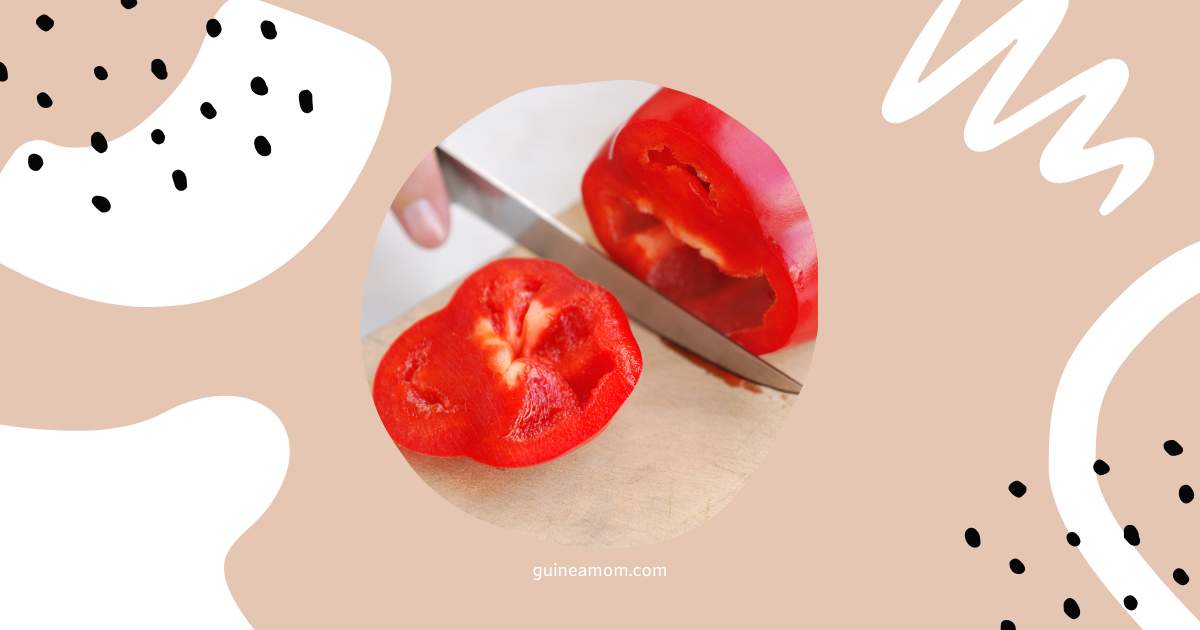
2. Red bell pepper — even higher in vitamin C than green (one of the richest common veggies), with just a little more sugar. Excellent in moderation.
3. Yellow bell pepper — another sweet, vitamin-C-packed pepper. Great for variety.
4. Orange bell pepper — rounds out the pepper family, all of which are superb vitamin C sources pigs tend to love.
5. Tomato — a good source of vitamin C, fine most days in small amounts. Feed only the ripe fruit — never the leaves, stems, or vine, which are toxic.
6. Zucchini (courgette) — mild, hydrating, and low in calcium, making it a gentle daily-friendly option.
7. Asparagus — a vet-recommended vitamin C source that’s well tolerated in moderate amounts.
8. Cilantro (coriander) — a favorite fresh herb that provides vitamin C and lots of flavor variety.
Vitamin C Foods to Feed a Few Times a Week
These are excellent vitamin C sources, but they’re higher in calcium or can cause gas, so limit them to a couple of times a week rather than daily:
9. Kale — very high in vitamin C, but also high in calcium — a nutritious few-times-a-week green.
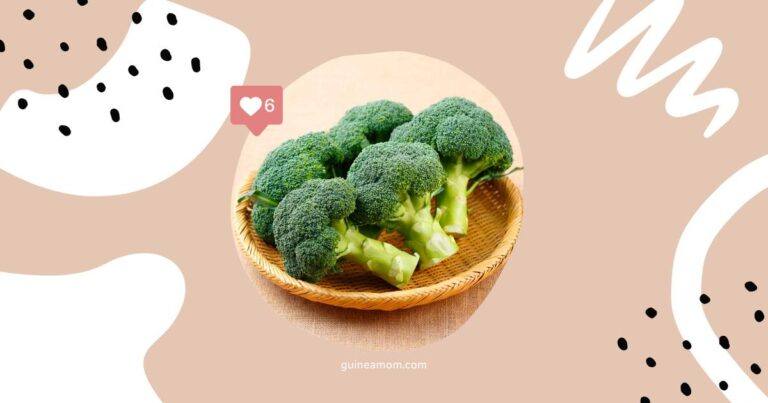
10. Broccoli — packed with vitamin C, but can cause gas, so offer small amounts occasionally.
11. Parsley — one of the most vitamin-C-rich herbs, but high in calcium — a little, a couple of times a week.
12. Brussels sprouts — high in vitamin C but gas-producing, so feed sparingly.
13. Cauliflower — a good vitamin C source (leaves included) that can also cause gas — occasional only.
14. Dandelion greens — nutritious and vitamin-C-rich (great foraging food), but high in calcium — limit them.
15. Bok choy (Chinese cabbage) — a solid vitamin C source, best in moderation.
16. Mustard or turnip greens — very high in vitamin C, but also high in calcium — a nutritious occasional treat.
Occasional Vitamin C Treats: Fruits
Fruits are rich in vitamin C but also high in sugar, so feed only small amounts once or twice a week as a treat:
17. Strawberries — a vitamin-C-rich, much-loved treat — a slice or two occasionally.
18. Kiwi — very high in vitamin C; a small piece makes a great occasional treat.
19. Orange — an excellent vitamin C source, but acidic and sugary, so just a small segment now and then.
20. Guava — one of the highest-vitamin-C fruits of all; if you can find it, a small piece is a real vitamin C boost (still a treat, though, thanks to the sugar).
Tips for Meeting Your Pig’s Vitamin C Needs
- Offer variety daily. Rotate several vitamin-C-rich veggies (bell peppers leading the way) rather than relying on one food.
- Feed peppers regularly. A daily slice of bell pepper is one of the simplest ways to cover vitamin C.
- Watch calcium and sugar. Keep high-calcium greens and high-sugar fruits as moderate or occasional foods, not daily staples.
- Wash everything well and introduce any new food gradually, watching for soft stool.
- Don’t rely on vegetables alone. A vitamin-C-fortified pellet helps, but note its vitamin C degrades quickly — keep pellets fresh. Some owners also use a guinea-pig vitamin C supplement (ask your vet); avoid relying on drops added to water, which degrade fast and can put pigs off drinking.
- Serve fresh. Vitamin C breaks down over time and with exposure to air, so offer fresh produce daily.
Key Takeaways
- Guinea pigs can’t make vitamin C and need about 10–30 mg daily from food, or they risk scurvy.
- Bell peppers are the best daily source — green is lowest in sugar, red/yellow/orange are even higher in vitamin C.
- “High vitamin C” doesn’t mean “feed freely” — many C-rich greens are high in calcium (bladder stone risk) and fruits are high in sugar.
- Daily-friendly foods include bell peppers, tomato, zucchini, asparagus, and cilantro.
- Feed a few times a week the high-calcium or gassy greens like kale, broccoli, parsley, and dandelion greens.
- Offer fruits sparingly as treats — strawberries, kiwi, orange, and guava are vitamin-C-rich but sugary.
- Focus on variety and moderation, wash produce, introduce new foods gradually, and keep pellets fresh for backup vitamin C.
This article is intended as general educational information for guinea pig owners and is not a substitute for professional veterinary advice. Always introduce new foods gradually, and consult a qualified veterinarian experienced with guinea pigs for guidance on your pig’s vitamin C needs, especially if they’re pregnant, ill, or recovering.