Can Guinea Pigs Eat Rabbit Pellets?
Why rabbit food isn’t right for guinea pigs — and what to feed instead.
No — guinea pigs should not eat rabbit pellets as their food. The single biggest reason is vitamin C: rabbit pellets aren’t fortified with it, because rabbits make their own vitamin C — but guinea pigs can’t, so a diet of rabbit food puts them at real risk of scurvy. On top of that, rabbit pellets have the wrong balance of protein, fiber, and calcium for guinea pigs, and some rabbit foods contain additives or medications that can be harmful to them. That said, rabbit food isn’t acutely toxic, so an accidental nibble or a one-time snack is usually nothing to panic about — the danger is from regular, long-term feeding. The bottom line: always feed guinea-pig-specific, vitamin-C-fortified pellets (or a well-planned pellet-free diet), never rabbit pellets as a substitute. Here’s the full explanation.
Why Rabbit Pellets Aren’t Right for Guinea Pigs
They look almost identical — same size, same color, often even similar ingredients — which is exactly why owners get tempted (rabbit food is often cheaper and sold in bigger bags). But there are three real problems:
1. No Vitamin C — the Big One
This is the deal-breaker. Guinea pigs, like humans, cannot make or store their own vitamin C, so they must get it from their diet every single day. Good guinea pig pellets are fortified with (stabilized) vitamin C for exactly this reason. Rabbit pellets are not — because rabbits produce their own vitamin C and don’t need it added.
So a guinea pig fed rabbit pellets misses out on a crucial source of vitamin C, and over time is at risk of scurvy — a serious deficiency disease that causes swollen, painful joints, bleeding gums, poor coat, lethargy, loss of appetite, and, if untreated, can be fatal. This alone is reason enough to avoid rabbit food as a staple.
2. The Wrong Nutritional Balance
Rabbit and guinea pig pellets are each formulated for their own species’ needs, and those needs differ. Rabbit food doesn’t provide the protein, fiber, and other nutrients in the balance guinea pigs require (guinea pigs need a specific protein and high-fiber profile). Fed long-term, this imbalance can contribute to malnutrition, digestive problems, and obesity.
3. Possible Harmful Additives
This is an important safety point: some rabbit foods contain additives or medications — such as certain antibiotics or anti-parasitic ingredients used for rabbits — that can be harmful, even dangerous, to guinea pigs. While many modern rabbit foods no longer contain these, you can’t assume, so rabbit food is a genuine risk unless you’ve checked the ingredients carefully. Additionally, muesli-style rabbit mixes with seeds, nuts, and grains pose choking hazards and encourage unhealthy selective eating.
But Is Rabbit Food Actually Toxic?
Here’s the reassuring part: no, rabbit food isn’t acutely toxic to guinea pigs (assuming it doesn’t contain harmful additives). The problem with rabbit pellets is a nutritional one that develops over regular, long-term feeding — not instant poisoning.
That means if your guinea pig accidentally nibbles a little rabbit food, or grabs a mouthful because they share a home with a rabbit, there’s usually no need to panic. A small, one-off amount won’t cause scurvy or harm on its own. The issue only arises when rabbit pellets are used as a substitute for proper guinea pig food over time.
Wondering about other types of rabbit food — muesli mixes, treats, or hay? See our full guide: Can Guinea Pigs Eat Rabbit Food?
What to Do If Your Guinea Pig Ate Rabbit Pellets
If your pig has eaten some rabbit food, here’s the sensible response:
- Don’t panic — a small amount is very unlikely to cause harm.
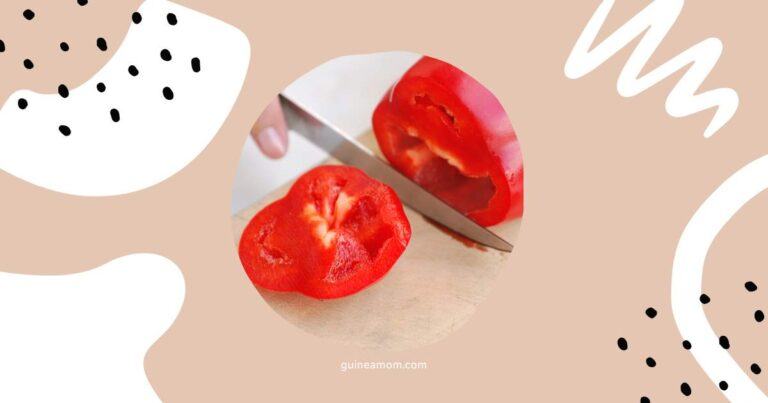
- Make sure they have plenty of hay and vitamin-C-rich vegetables (like bell pepper) to cover their vitamin C needs.
- Return to proper guinea pig food as soon as possible.
- Monitor them for any digestive upset (soft stool, reduced appetite).
- Contact your vet if they seem unwell, if symptoms persist, or if the rabbit food contained antibiotics or medications.
The “In a Pinch” Exception
Here’s an honest nuance: if you’ve genuinely run out of guinea pig pellets and can only get rabbit pellets, a plain, high-quality, timothy-based rabbit pellet with no antibiotics or additives won’t harm your pig short-term — as long as you make sure they get enough vitamin C separately (from vitamin-C-rich vegetables or a vet-approved guinea pig vitamin C supplement). Some experienced owners even do this deliberately, preferring a good plain rabbit pellet over a low-quality sugary guinea pig “muesli” mix.
But treat this strictly as a temporary stopgap, not a plan. Check the ingredients carefully, cover the vitamin C, and switch back to proper guinea-pig-specific pellets as soon as you can.
What Guinea Pigs Should Eat Instead
To keep it simple, a healthy guinea pig diet is:
- Unlimited grass hay (like timothy) — the foundation, around 80% of the diet.
- Guinea-pig-specific, vitamin-C-fortified pellets — a small amount (about an eighth of a cup a day for an adult), plain and timothy-based, not a seed/nut mix.
- Fresh vegetables daily, including vitamin-C-rich ones like bell pepper.
- Fresh, clean water at all times.
(Guinea pig pellets aren’t strictly essential if the rest of the diet is excellent, but if you do feed pellets, they must be guinea-pig-specific — never rabbit pellets.)
A Note on Guinea Pigs and Rabbits
This question often comes up because someone keeps both animals — but it’s worth knowing that guinea pigs and rabbits shouldn’t share food or live together. Beyond the different dietary needs, rabbits can carry a bacteria (Bordetella) that makes guinea pigs ill, and can accidentally injure or bully them. So keep their food — and ideally their housing — separate, each with species-appropriate care.
Key Takeaways
- Guinea pigs should not eat rabbit pellets as their food — the main reason is that rabbit food lacks added vitamin C, which guinea pigs can’t make and need daily, risking scurvy.
- Rabbit pellets also have the wrong nutritional balance (protein, fiber, calcium) for guinea pigs, and some contain additives or antibiotics harmful to them.
- Rabbit food isn’t acutely toxic, though — an accidental nibble or one-off snack is usually nothing to panic about.
- If your pig ate some, don’t panic; ensure hay and vitamin C, return to proper food, and monitor (vet if unwell or if it contained medications).
- In a pinch, a plain timothy-based rabbit pellet with no additives won’t harm short-term if you supply vitamin C separately — but it’s a stopgap, not a substitute.
- Feed guinea-pig-specific, vitamin-C-fortified pellets, unlimited hay, daily vitamin-C-rich veg, and water.
- Keep guinea pigs and rabbits — and their food — separate.
This article is intended as general educational information for guinea pig owners and is not a substitute for professional veterinary advice. If your guinea pig shows signs of illness or vitamin C deficiency, or has eaten rabbit food containing medications, consult a qualified veterinarian experienced with guinea pigs.