Top Tips For Guinea Pig Care
The most important things every guinea pig owner should know — at a glance.
The top tips for guinea pig care come down to a handful of essentials: never keep just one (guinea pigs are social and need a companion), give them far more space than pet-store cages offer, feed unlimited hay plus daily vitamin C, provide fresh water always, keep their home clean and at a comfortable temperature, handle them gently to build trust, and find a guinea-pig-savvy vet before you need one. Guinea pigs are wonderful, characterful pets, but they have specific needs that are easy to get wrong — so these tips will set you and your piggies up for a long, happy life together. Here are the top tips explained.
1. Never Keep Just One Guinea Pig
Guinea pigs are highly social herd animals, and a lone guinea pig is a lonely one — they can become bored, withdrawn, and depressed without company. Always keep at least two compatible guinea pigs so they can talk, snuggle, and thrive together. Good pairings include two sows, two boars (with enough space), or a neutered boar with a sow. Companionship is one of the single most important things for their wellbeing.
2. Give Them Plenty of Space
This is the tip most new owners get wrong: the cages sold in pet shops are almost always far too small. Guinea pigs need room to run, popcorn, and explore. Aim for a minimum of 7.5 sq ft for one pig and 10.5 sq ft for a pair — and more is always better. Many owners use C&C cages (cubes and coroplast) for affordable, spacious housing. Prioritize floor space over height — guinea pigs are ground-dwellers, not climbers.
3. Feed Unlimited Hay
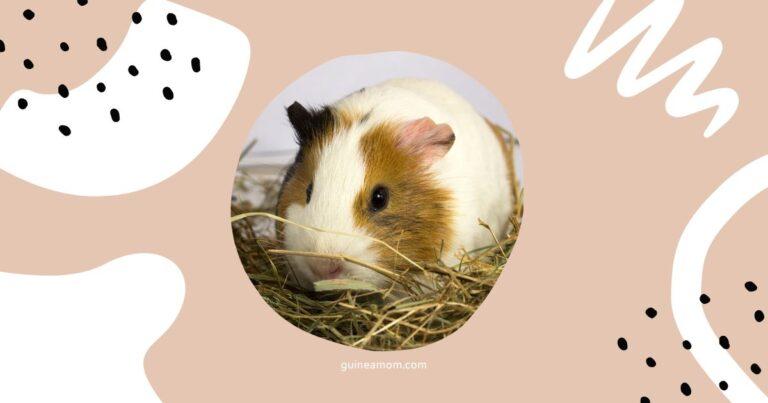
Hay is about 80% of a guinea pig’s diet and should be available at all times. It’s essential for two reasons: it keeps their digestive system moving, and it wears down their continuously-growing teeth. Feed a grass hay like timothy, orchard, or meadow for adults (alfalfa only for young, pregnant, or nursing pigs, as it’s high in calcium). A pile of fresh hay should always be within reach.
4. Provide Vitamin C Every Day
Here’s a crucial one that sets guinea pigs apart: they can’t make their own vitamin C and will develop scurvy without a daily supply. Provide it through fresh vegetables — especially bell pepper (the best source, safe daily) — plus a vitamin-C-fortified guinea pig pellet (used fresh, as the vitamin C degrades within a few months). Don’t rely on vitamin drops in the water, which degrade fast and can put pigs off drinking.
5. Offer a Balanced Diet
Round out hay and vitamin C with:
- About a cup of fresh vegetables per pig daily (leafy greens, bell pepper, and a rotating variety — go easy on high-calcium and gassy veg).
- A small measured portion of quality pellets (about an eighth of a cup).
- Fruit only as an occasional treat (it’s high in sugar).
- Fresh, clean water always available.
6. Keep Their Home Clean
A clean cage prevents illness and odor. Spot-clean daily (remove droppings and wet bedding) and do a full clean once or twice a week. Use safe, absorbent bedding (fleece, paper, aspen, or kiln-dried pine) — never cedar or non-kiln-dried pine, which harm their lungs. Clean the base with a pet-safe 1:1 white vinegar and water solution, never bleach or scented cleaners.
7. Mind the Temperature
Guinea pigs are sensitive to temperature and cope poorly with heat. Keep them at a comfortable 18–23°C (65–75°F), out of direct sun. In summer, provide shade, airflow, and cooling aids (wrapped frozen bottles, cool tiles) — heatstroke can be fatal. In winter, keep them warm, dry, and draft-free, and bring outdoor pigs indoors in the cold.
8. Handle Them Gently to Build Trust
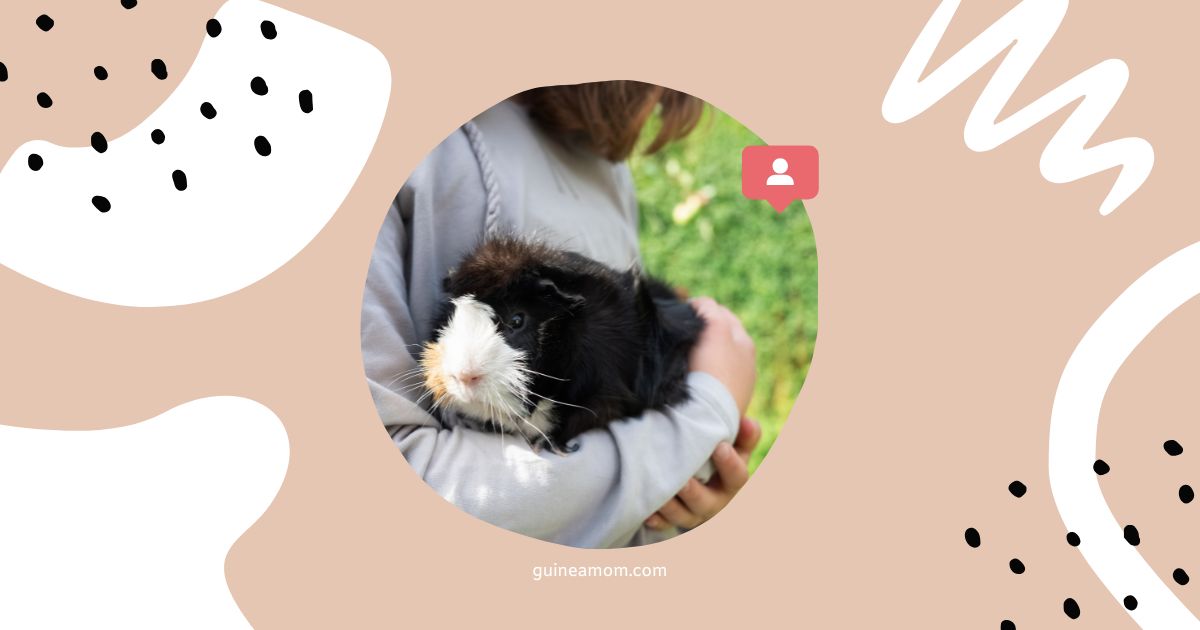
Guinea pigs are prey animals and need patience to feel safe. Support their whole body when picking them up (one hand under the chest, one under the bottom), never grab or chase, and let them get used to you gradually with a calm voice and hand-fed treats. Over time they’ll learn to trust and even recognize you. Regular gentle handling also lets you check them over for health problems.
9. Do Regular Health Checks (and Weigh Them Weekly)
Guinea pigs hide illness, so proactive checks are vital. Weigh your pig weekly on a kitchen scale — weight loss is often the first sign of a problem. Do a weekly hands-on check of eyes, ears, teeth, nose, coat, skin, feet, and rear. Know your pig’s normal appetite, droppings, and behavior so you spot changes early. A pig that stops eating is always an emergency.
10. Find a Good Vet Before You Need One
Guinea pigs are exotic pets, and not every vet is experienced with them — some medications are even dangerous to them. Find a cavy-savvy exotic vet before an emergency, since guinea pigs can decline quickly. Ask local rescues for recommendations, and remember guinea pigs don’t need vaccinations — but they do benefit from an annual check-up.
11. Provide Enrichment and Floor Time
A happy guinea pig needs more than a cage. Give them daily floor time in a safe space to run and explore, plus enrichment — tunnels, hideys, chew toys, and forage opportunities (many of which you can make for free from cardboard and hay). Enrichment prevents boredom and brings out joyful behaviors like popcorning.
12. Learn Their Language
Get to know how your guinea pig communicates — their sounds (wheeking, purring, chutting, rumbling) and body language. It helps you understand when they’re happy, hungry, frightened, or unwell, and deepens your bond. A guinea pig that feels understood and secure is a happy one.
Key Takeaways
- Never keep just one — guinea pigs need a companion of their own kind.
- Give them plenty of space — far more than pet-store cages (7.5 sq ft minimum for one, 10.5 for a pair); floor space over height.
- Feed unlimited hay (~80% of the diet) for digestion and dental health.
- Provide daily vitamin C — they can’t make their own; bell pepper is the best source.
- Offer a balanced diet — hay, daily veg, a little pellet, occasional fruit, and constant fresh water.
- Keep the cage clean (spot-clean daily, full clean weekly) with safe bedding and vinegar-based cleaning.
- Mind the temperature — they cope poorly with heat; keep them at 18–23°C and safe in summer and winter.
- Handle gently to build trust, and do weekly health checks and weigh-ins since they hide illness.
- Find a cavy-savvy vet before you need one, and give an annual check-up (no vaccines needed).
- Provide enrichment and floor time, and learn their sounds and body language.
This article is intended as general educational information for guinea pig owners and is not a substitute for professional veterinary advice. For any health concerns, consult a qualified veterinarian experienced with guinea pigs.