How Much Hay Do Guinea Pigs Need?
The simple answer is “unlimited” — but here’s what that actually looks like day to day.
Guinea pigs need unlimited hay, available 24 hours a day, 7 days a week — it should make up around 80% of their diet, and you genuinely can’t overfeed it. As a practical rule of thumb, give your guinea pig a fresh pile of hay at least the size of their own body every day (some experts say up to twice their body size), and top it up whenever it runs low or gets soiled. In weight terms, an adult guinea pig eats roughly 80–100 grams of hay a day. The key principles: never restrict hay, always keep it fresh and clean, and make sure your pig is actually eating plenty of it — because how much hay a guinea pig eats is one of the best indicators of their health. Here’s the full picture.
The Golden Rule: Unlimited Hay, Always
Let’s start with the most important point, because it’s refreshingly simple: guinea pigs should have unlimited hay available at all times — day and night, 7 days a week.
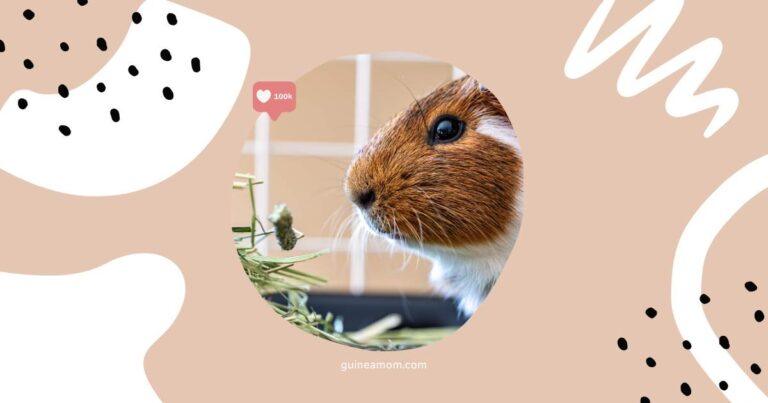
Guinea pigs are natural grazers who eat more or less constantly throughout the day and night, nibbling little and often. Their digestive systems are designed to have food moving through them continuously, so they need to be able to munch hay whenever they fancy it. And here’s the reassuring part: you cannot overfeed hay. Unlike pellets or veg, there’s no “too much” — so you never need to ration it. If the pile is running low, just top it up.
This is why hay should never be restricted, even if your guinea pig is overweight (in that case you cut back on pellets and treats, not hay).
How Much Hay Is That, Practically?
“Unlimited” can feel vague, so here are concrete ways to picture the right amount:
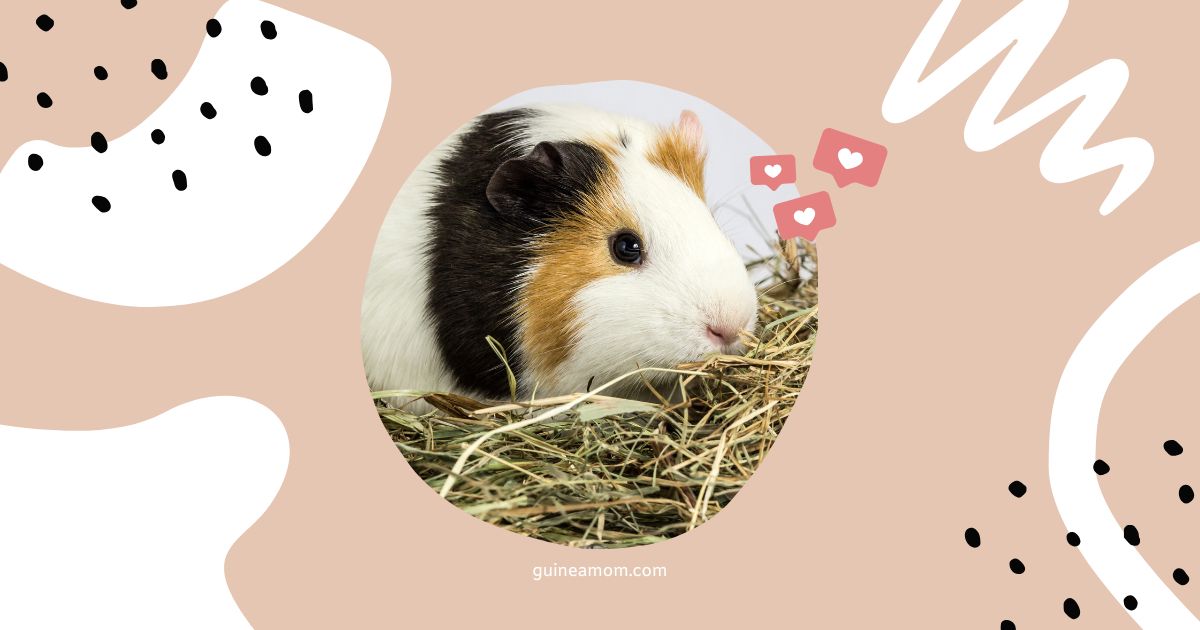
- A pile at least the size of your guinea pig’s body, offered fresh every day — this is the most-cited rule of thumb. Some experts suggest a pile twice their body size to be sure they never run out.
- Roughly 80–100 grams of hay per adult guinea pig per day, by weight.
- Around 80% of their total daily diet (with the remaining ~20% being fresh vegetables and a small amount of pellets).
The exact grams matter far less than the principle: always have a generous, fresh supply available. If your pig regularly finishes all their hay before you top it up, you’re not giving enough — increase the pile.
Where Hay Fits in the Whole Diet
To put the quantity in context, here’s the full daily balance for a guinea pig:
- Hay (~80%) — unlimited grass hay, always available.
- Fresh vegetables — about one cup per pig per day, including a vitamin-C source like bell pepper.
- Pellets — a small measured amount, about an eighth of a cup (1–2 tablespoons) per day.
- Fresh water — always available.
- Fruit — occasional treats only.
Notice how small the pellet portion is: guinea pigs often prefer pellets to hay, and overfeeding pellets fills them up so they eat less hay — which is bad for their teeth and digestion. So keeping pellets limited actually protects their hay intake.
Does the Amount Change With Age or Situation?
The “unlimited” rule holds for all guinea pigs, but a few situations mean they’ll eat more:
- Young, growing pigs eat plenty of hay (and young pigs have alfalfa hay, which is higher in calcium and protein, until about 6 months).
- Pregnant and nursing sows need more food overall.
- Outdoor guinea pigs generally eat more than indoor ones, especially in cold weather, as they burn energy staying warm.
- Winter tends to increase appetite.
In all these cases, the answer is the same — keep hay unlimited — they’ll simply eat as much as they need.
Hay Intake Is a Health Indicator
Here’s a genuinely useful reason to pay attention to how much hay your pig eats: a change in hay consumption is often an early warning sign. Because guinea pigs normally graze constantly, a pig that suddenly eats much less hay (or stops) may be unwell — frequently with a dental problem (sore or overgrown teeth make chewing painful) or another illness.
So knowing your pig’s normal hay intake helps you spot trouble early. A pig that goes off its hay — especially if also producing fewer droppings — needs a vet, since a guinea pig that stops eating is a genuine emergency. In this way, that daily pile of hay is also a daily health check.
Tips for Managing Hay
- Use a hay rack or feeder to keep most of the hay clean and off the cage floor (though many pigs like a pile to burrow in too).
- Top up often — add fresh hay whenever it’s low or soiled; don’t wait for it to run out.
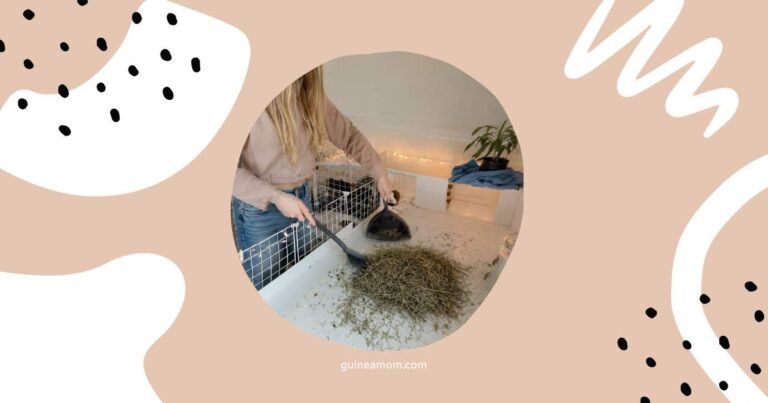
- Remove soiled or wet hay so your pig always has clean hay to eat.
- Keep eating hay separate from bedding hay if you use hay for both.
- Store hay somewhere cool, dry, and airy to keep it fresh and mold-free.
- Choose fresh, green, sweet-smelling, low-dust hay — pigs eat more of good-quality hay.
Key Takeaways
- Guinea pigs need unlimited hay, available 24/7 — it should be about 80% of their diet, and you can’t overfeed it.
- Practical rule: a fresh pile at least the size of your pig’s body every day (up to twice that is fine) — roughly 80–100g per adult pig daily.
- Never restrict hay, even for overweight pigs — cut back pellets and treats instead.
- Keep pellets small (about 1/8 cup daily), since too many reduce how much hay your pig eats.
- They’ll eat more when young, pregnant, nursing, outdoors, or in winter — just keep hay unlimited.
- Hay intake is a health indicator — a sudden drop can signal dental problems or illness, so know your pig’s normal and see a vet if they go off their hay.
- Manage it well — top up often, remove soiled hay, store it properly, and choose fresh, green, low-dust hay.
This article is intended as general educational information for guinea pig owners and is not a substitute for professional veterinary advice. If your guinea pig suddenly eats much less hay or stops eating, consult a qualified veterinarian experienced with guinea pigs promptly.