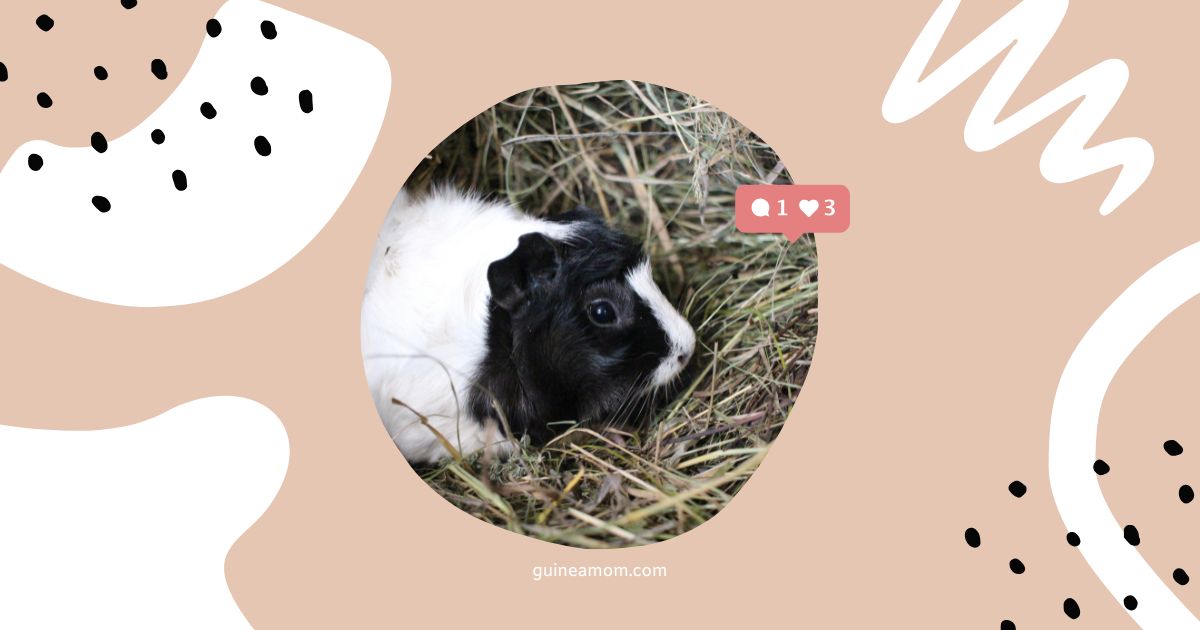
Orchard Grass Hay For Guinea Pigs
A softer, sweeter grass hay that’s just as good as timothy — and often a favorite with fussy eaters.
Orchard grass hay is an excellent everyday hay for guinea pigs — and one of the best alternatives to timothy. Like timothy, it’s a grass hay, so it’s safe to feed in unlimited amounts to adult guinea pigs, providing the fiber they need for healthy digestion and dental wear. Its big selling points: orchard grass is softer, leafier, and sweeter-smelling than timothy, which makes it a great choice for picky eaters who turn their noses up at coarser hay — and it’s often slightly lower in calcium than timothy too. It’s also a lifesaver for owners who are allergic to timothy hay, as many find they react less to orchard grass. You can feed it as your pig’s main hay, or mix it with timothy for variety. Here’s the full guide.
What Is Orchard Grass Hay?
Orchard grass (sometimes called orchard hay) is a grass-type forage hay, just like timothy — which means it has the same fundamental benefits and can be fed to adult guinea pigs every day, in unlimited amounts. It’s green to greenish-gold in color, with a soft texture, broad leaves, and a naturally sweet aroma.
Because it’s a true grass hay (not a legume like alfalfa), it’s low in calcium and protein and high in fiber — exactly the profile a healthy adult guinea pig needs for their staple hay.
How Orchard Grass Compares to Timothy Hay
Orchard grass and timothy are both excellent everyday hays, and nutritionally they’re very similar. The differences are mostly about texture and palatability:
- Softer and leafier. Orchard grass has a softer texture and broader leaves than the stalkier timothy, which many guinea pigs find easier and more pleasant to eat.
- Sweeter smell. Its sweet, aromatic fragrance is genuinely tempting — great for encouraging pigs to eat more hay.
- Slightly lower in calcium. Depending on the cutting, orchard grass can be a little lower in calcium than timothy — a small plus for pigs prone to bladder stones (though the difference is modest).
- Longer strands, less waste. Some owners find there’s less waste with orchard grass than timothy.
- Better for allergic owners. This is a big one — people who are allergic to timothy hay often tolerate orchard grass far better.
The honest takeaway: neither is “better” overall — both are great grass hays. Timothy is more widely available (and usually cheaper), while orchard grass wins on softness, sweetness, and allergy-friendliness.
Who Is Orchard Grass Best For?
Orchard grass is a particularly good choice for:
- Picky or fussy eaters — the sweet smell and soft texture tempt pigs who refuse coarser hay (and at least gets fiber into them).
- Pigs who prefer leaves to stems — if your pig eats the leafy bits and leaves the stalks and seed heads behind, orchard grass (which is leafier) means less waste.
- Owners allergic to timothy hay — often a game-changer for sneezy, itchy piggy parents.
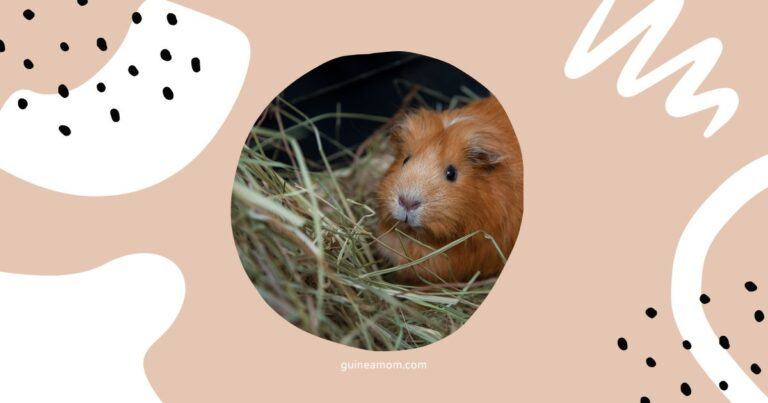
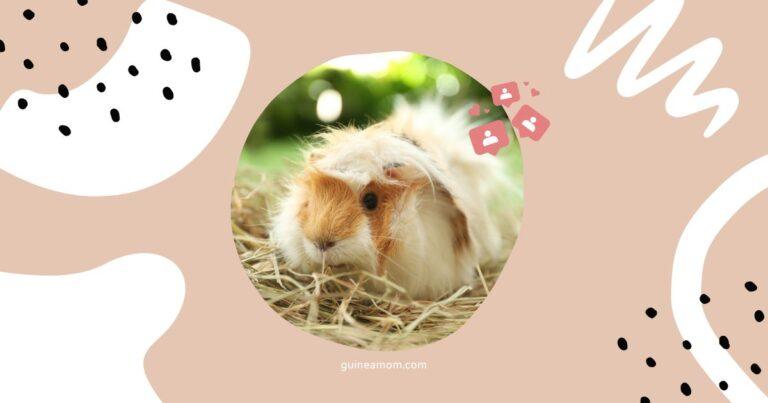
- Pigs who love to nest in hay — its softness makes it especially cozy to burrow in.
- Any guinea pig, for variety — rotating or blending hays provides enrichment and different textures.
Can Orchard Grass Be the Main Hay?
Yes — orchard grass can be your guinea pig’s primary, everyday hay, fed unlimited just like timothy. It fully meets their need for constant fiber, dental wear, and foraging. There’s no requirement to feed timothy specifically; any good grass hay works, and orchard grass is among the best.
Many owners also blend orchard grass with timothy — combining timothy’s coarser, tooth-grinding stems with orchard grass’s palatable softness. A timothy-orchard blend is a popular best-of-both approach, and also handy for gradually transitioning a pig from one hay to another.
How to Feed and Choose Orchard Grass Hay
- Offer it unlimited, always available, in a rack or a pile to burrow in (its softness makes it great for both eating and nesting).
- Introduce it gradually if switching from another hay — mix increasing amounts over several days.
- Choose fresh, green, sweet-smelling hay that’s dry and not dusty or musty (dust harms their sensitive lungs).
- Store it somewhere cool, dry, and airy to keep it fresh.
- Always pair hay with fresh vegetables, a little pellet, and daily vitamin C (hay doesn’t provide vitamin C).
Key Takeaways
- Orchard grass hay is an excellent everyday hay for guinea pigs — a grass hay like timothy, safe to feed unlimited to adults.
- It’s softer, leafier, and sweeter-smelling than timothy, making it great for picky eaters and lovely for nesting.
- It’s often slightly lower in calcium than timothy (a small plus for stone-prone pigs).
- It’s a great option for owners allergic to timothy hay, who often tolerate orchard grass far better.
- It can be the main hay, fed unlimited — or blended with timothy for the best of both textures.
- Choose fresh, green, low-dust hay, introduce it gradually, and store it well.
- Hay doesn’t provide vitamin C — always pair it with veg and a vitamin C source.
This article is intended as general educational information for guinea pig owners and is not a substitute for professional veterinary advice. If your guinea pig refuses hay or has dental or health concerns, consult a qualified veterinarian experienced with guinea pigs.