How to Bathe a Guinea Pig
A complete, safe step-by-step guide — plus when to skip the bath entirely.
The most important bathing tip of all is this: most guinea pigs rarely need a bath, and over-bathing does more harm than good. Guinea pigs keep themselves clean, and frequent baths strip their skin’s natural oils, dry them out, and cause stress. So bathe only when there’s a genuine reason — significant soiling, heavy grease buildup, or a vet-advised medicated bath. When you do, the key tips are: use shallow, lukewarm water, a guinea-pig-safe shampoo, keep water away from the ears and face, work gently and quickly, and — most importantly — dry your pig thoroughly and keep them warm afterward, since a damp guinea pig can chill dangerously. Below are detailed tips, alternatives to a full bath, and answers to common bathing questions.
Tip #1: Bathe Rarely — It’s the Golden Rule
Before any technique, internalize this: guinea pigs are naturally clean animals that groom themselves, and they’re not meant to be bathed often. Over-bathing removes the protective oils from their skin, leaving it dry, flaky, and irritated, and the experience is stressful for a prey animal.
So resist the urge to bathe your pig “just to freshen them up.” Regular brushing and spot-cleaning handle most cleanliness needs. A full bath should be a rare event reserved for genuine necessity — not part of a routine.
When a Bath Is (and Isn’t) Needed
A bath may be warranted when:
- Your pig is significantly soiled in a way brushing and spot-cleaning can’t fix (often a soiled rear, especially in long-haired or unwell pigs)
- There’s heavy grease-gland buildup that needs degreasing
- Your vet recommends a medicated bath to treat a skin condition or parasites
A bath isn’t needed for: general “freshening up,” routine maintenance, mild dustiness, or just because it’s been a while. In these cases, brush and spot-clean instead. If you’re ever unsure whether a bath is necessary, ask your vet.
Top Bathing Tips
When a bath is genuinely needed, these tips keep it safe and as stress-free as possible:
- Prepare everything first. Have your guinea-pig-safe shampoo, towels, and a non-slip mat ready before you start, so the bath is quick and you’re not scrambling.
- Warm the room. Bathe in a warm, draft-free space — this matters a lot for preventing chilling.
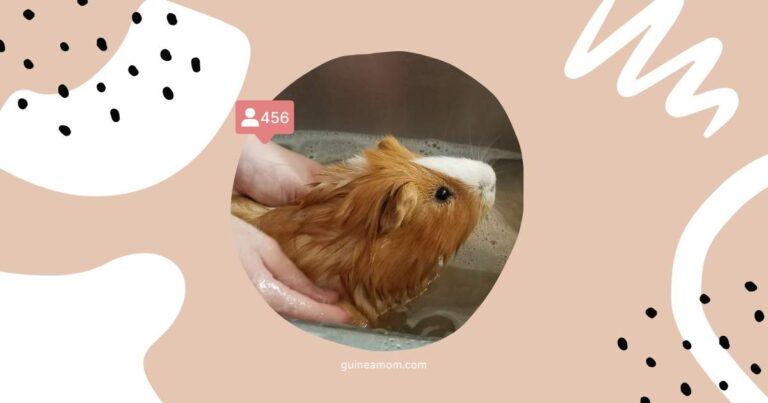
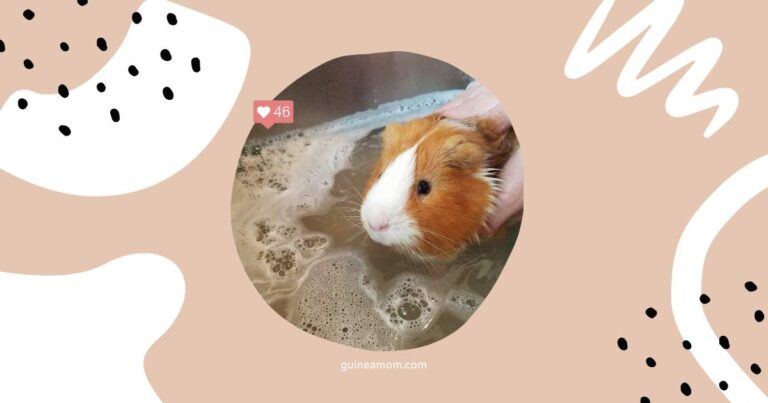
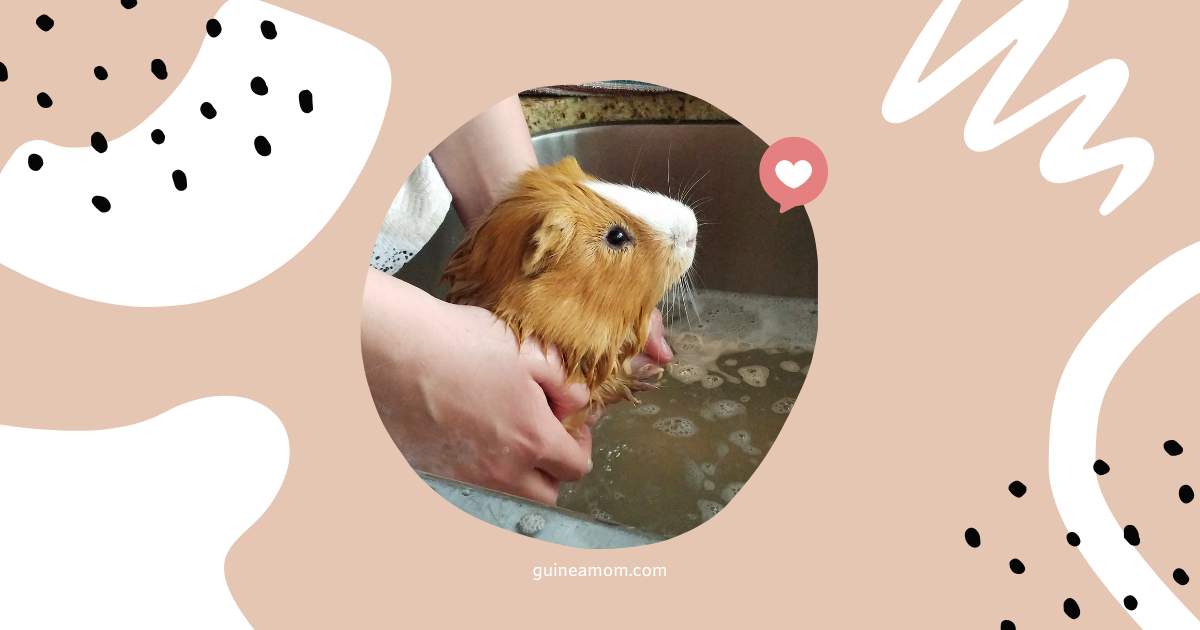
- Keep water shallow. Use just a few centimeters of water, enough to reach the tummy. Guinea pigs aren’t swimmers and deep water frightens them.
- Use lukewarm water. Not hot, not cold — aim for comfortably warm, like you’d use for a baby.
- Protect the face and ears. Keep water and shampoo away from the eyes, nose, and especially the ears, where water can cause infection. Never pour water over the head.
- Use a non-slip surface. A mat or towel in the basin helps your pig feel secure and prevents slipping.
- Use only safe shampoo. A small-animal or guinea-pig-specific shampoo only — never human shampoo or anything not intended for them. Check with your vet if unsure.
- Be gentle and quick. Work calmly and efficiently, talking softly to reassure your pig, and keep the whole thing as brief as possible.
- Rinse thoroughly. Remove all shampoo residue, which can otherwise irritate the skin.
- Dry, dry, dry. Towel-dry thoroughly and keep going until your pig isn’t damp. Keep them warm and out of drafts until completely dry.
Alternatives to a Full Bath
Often, a full bath isn’t necessary at all — a more targeted approach solves the problem with less stress. Consider these gentler alternatives:
- Spot-cleaning. For a small soiled area, gently clean just that spot with a damp cloth (and a little safe cleanser if needed), rather than bathing the whole pig.
- A “bottom bath.” If only the rear is soiled, you can clean just the back end in shallow water, leaving the rest of your pig dry and far less stressed.
- Grease-gland cleaning. For a greasy scent gland, clean just that area with a small amount of suitable cleanser, then wipe and rinse — no full bath needed.
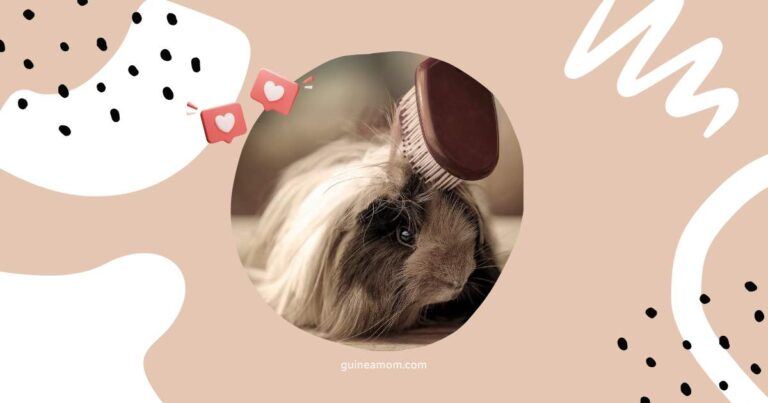
- Brushing. For loose hair, mild dustiness, or general tidying, a good brush does the job without water at all.
These targeted methods handle the vast majority of cleanliness needs, which is exactly why full baths are so rarely required.
Bathing a Nervous or Stressed Pig
Most guinea pigs find bathing stressful, so gentle handling makes a big difference. Keep your movements calm and slow, talk softly throughout, and hold your pig securely but gently so they feel safe. A second person can help — one to hold and reassure, one to wash. Keep the session as short as you can, and if your pig becomes very distressed, prioritize finishing quickly, rinsing, and getting them warm and dry over a “perfect” wash. Offering a favorite treat afterward can help end the experience on a positive note.
After the Bath: Drying and Keeping Warm
This is the part owners most often underestimate, and it’s the most important for safety. A wet guinea pig loses body heat quickly and can become dangerously chilled, so thorough drying is essential.
Wrap your pig snugly in a towel and gently pat and absorb as much moisture as possible, swapping to a dry towel as needed. Keep them wrapped and cozy until they’re no longer damp. If your pig tolerates it, a pet dryer on its lowest, coolest setting, held well away from the skin, can help — but never use hot air, which can burn. Keep your pig warm and away from any draft until they are completely dry, and only then return them to their enclosure.
Common Bathing Mistakes to Avoid
- Bathing too often — the number-one mistake; it dries and irritates the skin.
- Using deep water — frightening and unsafe; keep it shallow.
- Water in the ears or face — risks ear infection and distress.
- Hot or cold water — use lukewarm only.
- The wrong products — never human shampoo or anything not guinea-pig-safe.
- Skimping on drying — leaving a pig damp risks dangerous chilling.
- Bathing in a cold or drafty room — adds to the chilling risk.
- Bathing when it’s not needed — when in doubt, spot-clean or brush instead.
Special Situations
A few pigs and scenarios call for extra care. Long-haired breeds with soiled coats may occasionally need bathing, but keeping the coat trimmed and brushed reduces the need. Hairless breeds have special skin and bathing should follow vet guidance. Senior, very young, or unwell pigs are more vulnerable to the stress and chilling of a bath, so be especially cautious and consider gentler alternatives. And for any medicated or treatment bath, follow your vet’s specific instructions exactly.
Bathing FAQ
How often should I bathe my guinea pig? As rarely as possible — only when genuinely needed. There’s no set schedule, and routine bathing isn’t recommended.
Can I use human shampoo? No. Use only a guinea-pig-safe or small-animal shampoo, and check with your vet if unsure.
What water temperature? Lukewarm — comfortably warm, never hot or cold.
Can guinea pigs swim? They aren’t natural swimmers and shouldn’t be put in deep water; baths use only shallow water.
My pig hates baths — what do I do? Keep it brief and gentle, use a helper, and lean on alternatives like spot-cleaning whenever possible.
Key Takeaways
- Bathe rarely — most guinea pigs rarely need baths, and over-bathing harms their skin and stresses them.
- Only bathe for a genuine reason — significant soiling, heavy grease, or a vet-advised medicated bath.
- Use shallow, lukewarm water and a guinea-pig-safe shampoo, never human products.
- Keep water away from the ears, eyes, and nose, and never pour water over the head.
- Be gentle, quick, and reassuring, ideally with a helper for nervous pigs.
- Dry thoroughly and keep your pig warm afterward — this is the most important safety step.
- Use alternatives — spot-cleaning, bottom baths, grease-gland cleaning, and brushing handle most needs without a full bath.
- Take extra care with long-haired, hairless, senior, young, or unwell pigs, and follow vet instructions for medicated baths.
This article is intended as general educational information for guinea pig owners and is not a substitute for professional veterinary advice. If you’re unsure whether your guinea pig needs a bath, which products are safe, or how to bathe a vulnerable pig, please consult a qualified veterinarian.