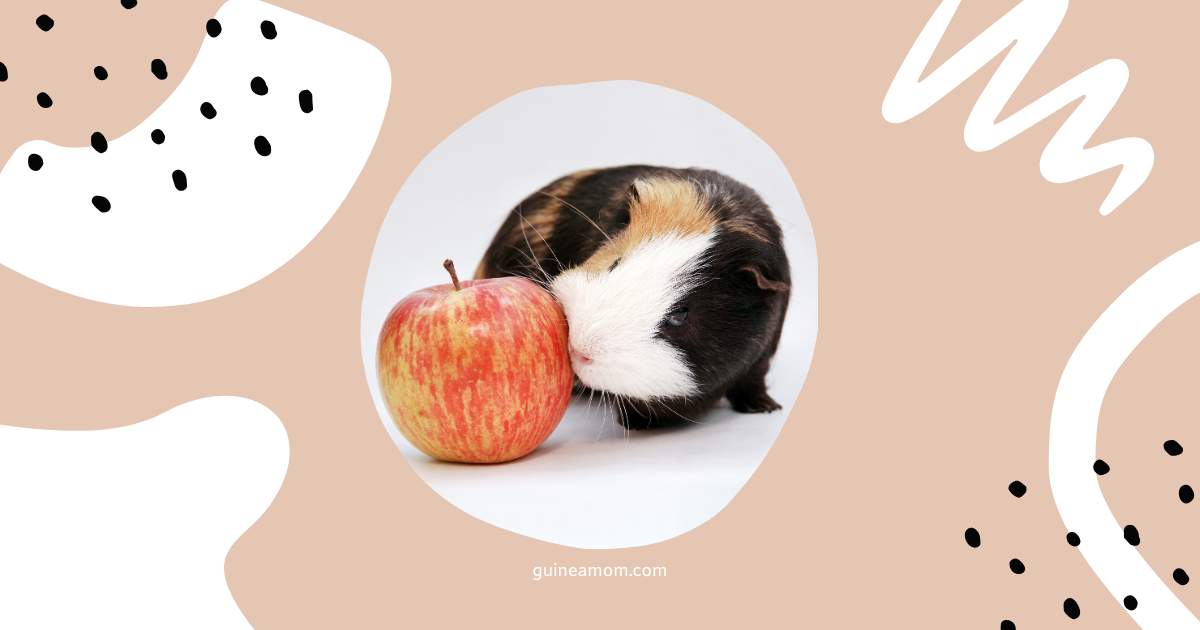
Can Guinea Pigs Eat Apple?
Yes — a classic favorite, in small amounts. Just always remove the seeds, which contain trace cyanide.
Yes, guinea pigs can eat apple — it’s a well-loved treat that provides vitamin C, fiber, and antioxidants. But two rules matter. First, apple is high in natural sugar, so it’s an occasional treat, not a daily food — about one half-inch cube per guinea pig, twice a week. Second, and importantly: always remove the seeds and core. Apple seeds contain amygdalin, which releases trace cyanide when chewed — harmless in a single accidental seed, but genuinely risky in a small animal if eaten regularly or in quantity. The skin is safe and nutritious (leave it on, but wash well), and lower-sugar varieties like Granny Smith are the best choice. Here’s everything you need to know.
Are Apples Safe for Guinea Pigs?
Yes — apple flesh and skin are perfectly safe for guinea pigs, and unlike dogs or cats, guinea pigs can enjoy them without any toxicity from the fruit itself. Most pigs love apple, which makes it a great occasional treat and a lovely bonding food.
The two things to get right are portion/frequency (because of sugar) and removing the seeds (because of cyanide) — both easy once you know.
⚠️ Always Remove the Seeds and Core
This is the key safety point. Apple seeds contain amygdalin, a natural compound that releases small amounts of cyanide when the seed is crushed or chewed and digested.
Here’s the honest, balanced picture:
- One accidental seed is very unlikely to cause harm — the amount of cyanide is tiny, and a pig chewing a single seed while eating a piece of core almost certainly won’t be affected. So don’t panic if it happens.
- But guinea pigs are very small, so cyanide accumulates far faster in them than in us. Several chewed seeds could cause real harm — nausea, laboured breathing, lethargy.
- Never feed seeds deliberately, or offer a seed-filled core that a pig could work through.
The simple rule: cut the apple away from the core, check each piece for stray seeds, and discard the core. The core itself is also best avoided anyway — it’s tough, fibrous, and a choking risk for a small throat.
The Skin Is Safe (and Good for Them)
Good news: apple skin is safe and nutritious — in fact it holds much of the apple’s fiber and potassium, so it’s a shame to peel it off. Leave the skin on, but:
- Wash thoroughly to remove pesticide residue and any wax coating.
- Choose unwaxed or organic apples where possible.
- If your pig dislikes the skin, a small peeled piece is fine — it’s just slightly less nutritious.
How Much Apple Can a Guinea Pig Eat?
Keep it small and occasional:
- Portion: about one half-inch cube (roughly 25g) per guinea pig.
- Frequency: twice a week (some sources say up to two or three times) — never daily.
- Don’t stack sugary treats — avoid apple and other high-sugar fruit (like banana) on the same day.
- Overall: all fruit should stay under about 5% of the diet, behind hay (~80%), vegetables, and pellets.
Too much apple, like any fruit, can throw off the balance of gut bacteria and cause soft stools or diarrhea — so moderation genuinely matters.
Feed less or skip apple for overweight pigs or those with digestive problems.
Best Apple Varieties
Not all apples are equal on sugar:
- Granny Smith (and other tart green apples) — the top pick, lowest in sugar, with a firm texture that’s good for chewing.
- Other apples are fine too, but sweeter red varieties are higher in sugar, so keep portions especially small.
- Avoid sour, waxed, or glossy-coated apples unless thoroughly washed.
How to Serve Apple Safely
- Wash the apple thoroughly (or choose organic/unwaxed).
- Cut a small piece from the outer fruit, away from the core.
- Remove all seeds and check the piece carefully.
- Leave the skin on (unless your pig dislikes it).
- Serve raw and fresh, at room temperature.
- Introduce gradually — a tiny piece first, then check droppings the next day.
- Remove uneaten apple after a couple of hours before it browns and spoils.
Apple leaves and clean, pesticide-free apple twigs are also safe and make good chewing enrichment, if you have access to an untreated tree.
What NOT to Feed
- Apple seeds and cores — cyanide and choking risk.
- Dried apple — sugar is concentrated, and often has added sugar.
- Apple juice, cider, or apple cider vinegar — too sugary and acidic.
- Cooked/baked apple — safe only if completely plain (no sugar, cinnamon, nutmeg), but it loses nutrients, so fresh is better.
- Anything sweetened, waxed-and-unwashed, or spoiled.
When to Call a Vet
Contact your vet if, after eating apple, your guinea pig has diarrhea lasting more than a few hours, stops eating (a genuine emergency in guinea pigs), produces few or no droppings, or seems bloated, hunched, or in pain. If your pig has eaten several apple seeds and shows lethargy, laboured breathing, or distress, contact your vet promptly.
Key Takeaways
- Yes, guinea pigs can eat apple — a well-loved treat offering vitamin C, fiber, and antioxidants.
- ⚠️ Always remove the seeds and core — apple seeds contain amygdalin (trace cyanide); one accidental seed is harmless, but never feed them deliberately, and skip the core (also a choking risk).
- The skin is safe and nutritious — leave it on, but wash well (or choose organic/unwaxed).
- Serve about a half-inch cube per pig, twice a week — never daily, and keep all fruit under ~5% of the diet.
- Granny Smith and other tart apples are best (lowest sugar); sweet red apples are higher in sugar.
- Never feed seeds, cores, dried apple, apple juice/cider/vinegar, or sweetened apple products.
- Skip apple for overweight pigs or those with digestive issues.
- For daily vitamin C, bell peppers are better — treat apple as occasional fun.
This article is intended as general educational information for guinea pig owners and is not a substitute for professional veterinary advice. Introduce all new foods gradually, and consult a qualified veterinarian experienced with guinea pigs if your pig shows digestive upset or any signs of illness.