Can Guinea Pigs Eat Green Beans?
Yes — in moderation. Here’s the safe amount, why they need limiting, and how to serve them.
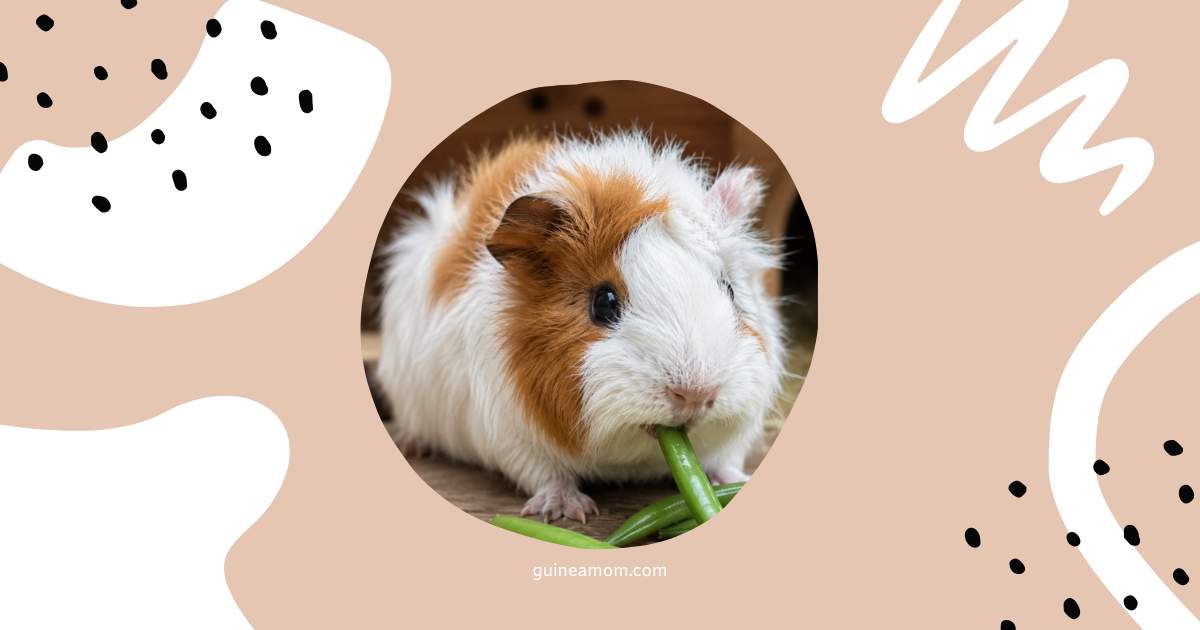
Yes, guinea pigs can eat green beans — raw and fresh — but only in moderation. They’re a genuinely nutritious vegetable, offering vitamin C, vitamin A, vitamin K, fiber, and magnesium, with low sugar and high water content. But there are two real reasons to limit them: green beans contain a notable amount of calcium and phosphorus (roughly a 1:1 ratio), which can contribute to bladder and kidney stones if overfed, and as legumes they can cause gas and painful bloating. A safe serving is about one or two whole beans per guinea pig, once or twice a week. Always serve them fresh and raw — never cooked, canned, or frozen — and wash them thoroughly. Here’s everything you need to know.
Are Green Beans Safe for Guinea Pigs?
Yes. Fresh, raw green beans are a safe and healthy vegetable for guinea pigs, and most pigs enjoy them once they’ve had a nibble. They’re a nice addition to the rotation of fresh vegetables that should make up part of your pig’s daily diet, alongside unlimited hay.
The key word, as always, is moderation — green beans have a couple of characteristics that mean they’re best as a regular-but-limited vegetable rather than a daily staple.
The Benefits of Green Beans
Green beans bring several genuine benefits:
- Vitamin C — essential for guinea pigs, who can’t make their own and need a daily supply to prevent scurvy.
- Vitamin A and vitamin K — supporting eyes, immune system, and general health.
- Fiber — helps keep their digestive system moving.
- Magnesium — a useful mineral that helps balance their calcium intake.
- Low in sugar and calories — unlike fruit, so they’re a good option for pigs watching their weight.
- High water content — contributing to hydration.
Why Green Beans Need Limiting
Two genuine concerns mean portions matter:
1. Calcium and phosphorus. Green beans contain a meaningful amount of both — roughly 37mg of calcium per 100g, with a calcium-to-phosphorus ratio of about 1:1. Guinea pigs need a careful balance of these minerals, and too much can contribute to bladder stones and kidney problems, which are painful and common in guinea pigs. This is the main reason to keep servings small.
2. Gas and bloating. Green beans are legumes, a family well known for causing flatulence. This matters more for guinea pigs than for us, because guinea pigs can’t easily burp or pass gas — so a build-up causes genuinely painful bloating and indigestion. Their high fiber offsets this somewhat, but overfeeding is still a real risk.
How Many Green Beans Can a Guinea Pig Eat?
Keep it modest:
- Portion: about one to two whole average-sized green beans per guinea pig.
- Frequency: once or twice a week (some owners offer them up to three times weekly, but less is safer).
- Don’t double up on calcium. Avoid serving green beans on the same day as other high-calcium foods like kale, parsley, or spinach.
- Rotate — green beans should be one of several vegetables in a varied weekly rotation, not a daily fixture.
Feed less or skip them if your guinea pig has a history of bladder stones or urinary problems, or if they’re prone to digestive upset.
How to Serve Green Beans Safely
- Choose fresh, raw green beans — ideally organic, since conventionally grown beans can carry waxes and pesticide residues that are more concentrated a risk for a small animal.
- Wash thoroughly under running water.
- Serve raw and whole (or chopped into smaller pieces for easier eating).
- Serve at room temperature — not straight from the fridge, which can cause digestive discomfort.
- Introduce gradually — start with a small piece and wait a day, checking droppings and appetite.
- Remove uneaten beans after a few hours so they don’t spoil in the cage.
What NOT to Feed
This is important — only fresh, raw green beans are suitable:
- Never cooked green beans. Guinea pigs’ digestive systems aren’t built for cooked food and it can cause real problems.
- Never canned green beans — high in salt and preservatives.
- Never frozen or thawed-cold beans — commercially frozen veg is usually blanched and sometimes salted, and cold food can upset their stomach.
- Never dried or cooked beans of any other kind — kidney, black, pinto, butter beans and similar contain a natural toxin (phytohaemagglutinin) and are far too starchy. Only fresh green pods are appropriate.
- No seasoning, oil, butter, or salt — ever.
Signs You’ve Fed Too Many
Watch for these after introducing green beans, and cut back or stop if you see them:
- Soft stools or diarrhea
- Bloating or a swollen, hard tummy
- Reduced appetite or reluctance to move
- Signs of discomfort or pain
When to Call a Vet
Contact your vet promptly if your guinea pig has diarrhea lasting more than a few hours, stops eating (a genuine emergency in guinea pigs), produces few or no droppings, seems bloated or in pain, or shows straining to urinate or blood in the urine (possible bladder stones — which is why calcium moderation matters).
Key Takeaways
- Yes, guinea pigs can eat fresh, raw green beans in moderation — they offer vitamin C, A and K, fiber, magnesium, low sugar, and hydration.
- Limit them because of their calcium and phosphorus content (bladder/kidney stone risk) and because, as legumes, they can cause gas and painful bloating.
- Serve one to two whole beans per pig, once or twice a week, and not on the same day as other high-calcium foods.
- Always fresh and raw — wash well, prefer organic, serve at room temperature, and introduce gradually.
- Never feed cooked, canned, frozen, or seasoned green beans, and never dried or cooked beans of other kinds (kidney, black, pinto, etc.).
- Watch for soft stools, bloating, or reduced appetite — and call a vet for diarrhea, loss of appetite, bloating, or urinary problems.
This article is intended as general educational information for guinea pig owners and is not a substitute for professional veterinary advice. Introduce all new foods gradually, and consult a qualified veterinarian experienced with guinea pigs if your pig shows digestive upset or any signs of illness.