Can Guinea Pigs Eat Parsley?
Yes — it’s nutritious and most pigs love it. But it’s high in calcium, so keep it to a few times a week.
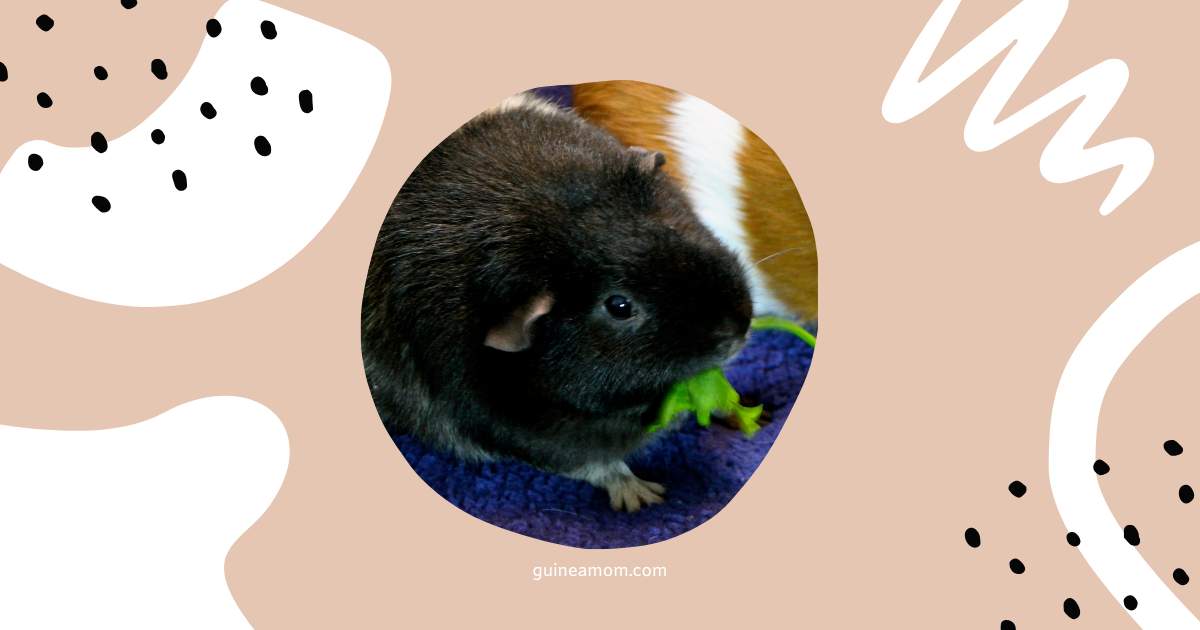
Yes, guinea pigs can eat parsley — it’s a nutritious herb packed with vitamin C, vitamin A, vitamin K, and iron, and most guinea pigs adore it. The whole plant is safe: leaves and stalks alike. But parsley comes with an important catch — it’s high in calcium and contains oxalates, both of which contribute to the bladder and kidney stones guinea pigs are prone to. So parsley should be a moderate treat, not a daily staple: a small sprig (a few leaves) per guinea pig, about two or three times a week. It’s a wonderful herb to include in a varied rotation — just don’t overdo it, especially if your pig has any history of urinary problems. Here’s the full guide.
Is Parsley Good for Guinea Pigs?
Yes — nutritionally, parsley is genuinely beneficial. It’s rich in vitamin C (which guinea pigs must get daily to prevent scurvy), plus vitamin A, vitamin K, potassium, iron, and antioxidants, and it’s lower in sugar than many alternatives. Most guinea pigs find it delicious, and both the flat-leaf and curly varieties are safe, as are the stalks — so none of the plant goes to waste.
Used well, parsley is a lovely addition to your guinea pig’s fresh-food rotation. The key word, as every vet source stresses, is moderation.
Why Parsley Must Be Limited: Calcium and Oxalates
Here’s the reason parsley is a “few times a week” food rather than a daily one:
It’s high in calcium. Guinea pigs need some calcium, but too much — especially in adults — contributes to bladder stones and bladder sludge, which are painful, common, and often require surgery. Parsley is notably high in calcium.
It contains oxalates. On top of the calcium, parsley contains oxalates, which can combine with calcium to form calcium oxalate stones — one of the common stone types in guinea pigs.
That combination (high calcium and oxalates) is exactly why parsley appears on nearly every vet’s “feed in moderation” list, right alongside spinach and kale. It’s not dangerous in sensible amounts — it’s genuinely good for them — but it needs portioning with care.
How Much Parsley Can a Guinea Pig Eat?
- Portion: a small sprig — just a few leaves (with stalks) — per guinea pig.
- Frequency: about two or three times a week. (Some sources say a little parsley mixed into a varied daily salad is fine — but the safe, simple approach is a few times a week.)
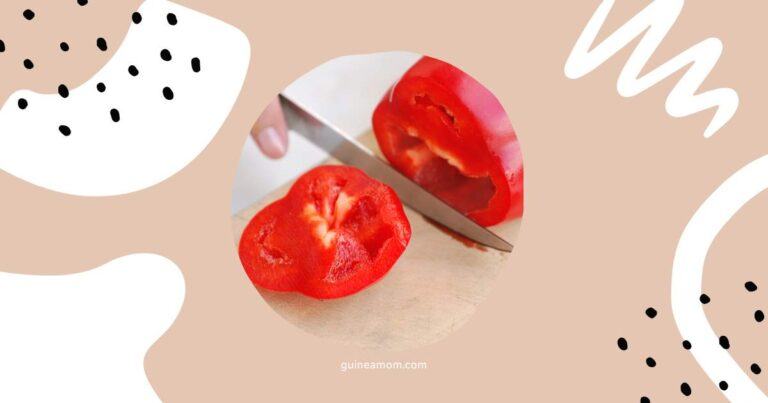
- Never make it the daily staple — rotate it with low-calcium vegetables like bell pepper, cucumber, and romaine.
- Variety matters — mix parsley with a range of other herbs and greens rather than serving it alone.
Avoid or strictly limit parsley if your guinea pig has a history of bladder or kidney stones or urinary problems — talk to your vet, who may advise cutting high-calcium, high-oxalate foods like parsley entirely.
How to Serve Parsley Safely
- Wash thoroughly under running water to remove dirt and pesticide residue (organic or home-grown, pesticide-free is ideal).
- Offer a small sprig — leaves and stalks are both fine.
- Serve fresh and raw, at room temperature.
- Mix it into a varied salad with other greens and a vitamin-C source.
- Introduce gradually if it’s new, checking droppings the next day.
- Remove uneaten parsley after a few hours before it wilts.
Home-grown tip: if you grow your own parsley, resist the urge to feed lots just because it’s abundant — the calcium concern applies no matter how fresh or free it is.
What NOT to Feed
- Dried parsley in large amounts — nutrients (especially vitamin C) degrade, and it’s more concentrated.
- Cooked or seasoned parsley — guinea pigs eat raw, plain food only.
- Wilted, slimy, or spoiled parsley.
- Parsley from an unknown source that may have been sprayed with pesticides.
When to Call a Vet
Contact your vet if your guinea pig shows signs of bladder problems — straining to urinate, blood in the urine, frequent small urinations, or squeaking while urinating — which can indicate stones (the reason to moderate calcium and oxalates). Also call if, after eating parsley, they have diarrhea, loss of appetite (an emergency in guinea pigs), or seem unwell.
Key Takeaways
- Yes — guinea pigs can eat parsley, including the leaves and stalks; it’s rich in vitamin C, A, K, and iron, and most pigs love it.
- But it’s high in calcium and contains oxalates — both contributing to bladder and kidney stones, which guinea pigs are prone to.
- Feed a small sprig (a few leaves) per pig, about two or three times a week — never as a daily staple.
- Rotate it with low-calcium vegetables like bell pepper, cucumber, and romaine, and feed a varied mix of herbs and greens.
- Limit or avoid parsley for pigs with a history of bladder or kidney stones — check with your vet.
- Wash well and serve fresh and raw; avoid dried, cooked, or seasoned parsley.
- Watch for urinary symptoms (straining, blood in urine) and see a vet if they appear.
This article is intended as general educational information for guinea pig owners and is not a substitute for professional veterinary advice. Introduce all new foods gradually, and consult a qualified veterinarian experienced with guinea pigs if your pig shows urinary symptoms, digestive upset, or any signs of illness.