Can Guinea Pigs Eat Potatoes?
No — potatoes should be avoided. They contain a natural toxin and are far too starchy for guinea pigs.
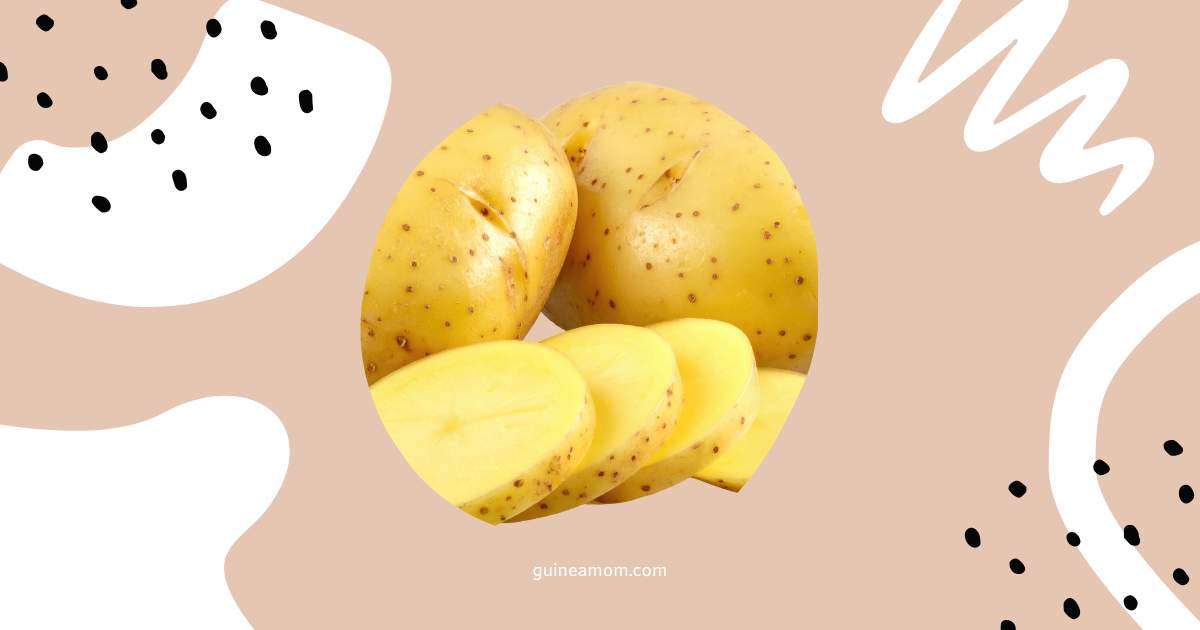
No — guinea pigs should not eat potatoes, and it’s best to avoid them entirely, whether raw or cooked. There are two solid reasons. First, potatoes are members of the nightshade family and contain solanine, a natural toxin found in the flesh, skin, eyes, and especially green or sprouted parts — and even small amounts can be dangerous to an animal as small as a guinea pig, affecting their nervous and digestive systems. Second, even setting the toxin aside, potatoes are extremely high in starch, which guinea pigs’ fiber-based digestive systems simply can’t handle — risking bloating, obesity, and potentially life-threatening digestive stasis. Cooking reduces the solanine but doesn’t remove it, and does nothing about the starch. If your guinea pig has eaten potato, watch them closely and contact your vet if they show any symptoms. Here’s the full explanation.
Why Potatoes Are Not Safe for Guinea Pigs
There are two separate problems with potatoes, and either one alone would be reason enough to avoid them.
1. Solanine — a Natural Toxin
Potatoes belong to the nightshade family (along with tomato plants and eggplant), and they contain solanine, an alkaloid the plant produces as a natural defense against pests. Solanine is present in the flesh and skin, and in much higher concentrations in green potatoes and sprouting “eyes.”
For a human, cooking and our large body size make the small amounts of solanine harmless. But for a guinea pig — a tiny herbivore — even a small amount can be genuinely dangerous, potentially affecting their nervous system and digestive tract, and causing symptoms from digestive upset and lethargy to, in severe cases, poisoning.
2. Too Much Starch
Even if solanine weren’t a concern, potatoes would still be a poor choice because they’re extremely high in starch and carbohydrates. Guinea pigs have digestive systems built to process high-fiber grass and hay, not dense starch. Feeding starchy food can cause bloating, obesity, and digestive upset — and in serious cases can disrupt their gut bacteria and trigger gastrointestinal stasis, a life-threatening condition where the gut stops moving.
What About Cooked Potatoes?
A common question — and the answer is still no. Cooking a potato reduces the solanine but doesn’t eliminate it, so some remains, and while humans digest that trace easily, guinea pigs struggle with it. More importantly, cooking does nothing about the starch — a boiled or baked potato is still far too starchy for a guinea pig, and guinea pigs shouldn’t eat cooked food of any kind anyway. So cooked, boiled, baked, mashed, or fried — all should be avoided.
Definitely Never: Potato Skins, Chips, and Fries
- Potato skin — high in solanine and starch; never feed it.
- Green or sprouted potatoes — the highest solanine levels; especially dangerous.
- Potato leaves, stems, and flowers — all part of the toxic nightshade plant; never feed.
- Potato chips (crisps) and fries — deep-fried, heavily salted, and seasoned; completely unsuitable and harmful.
- Any seasoned, buttered, or processed potato product.
Potatoes are just one of several foods to keep away from your piggy. For the complete list, read: Unsafe Foods for Guinea Pigs.
What If My Guinea Pig Ate Some Potato?
Don’t panic, but do pay attention. A tiny nibble of plain potato may pass without incident — but because solanine is genuinely risky for such a small animal, you should:
- Remove any remaining potato and make sure they have plenty of hay and fresh water.
- Watch closely for signs of trouble over the next 24 hours.
- Contact your vet promptly if your pig shows diarrhea, bloating, loss of appetite, lethargy, weakness, or any unusual behavior — and treat a pig that has stopped eating as an emergency.
- If they ate a green/sprouted potato or a large amount, call your vet straight away rather than waiting.
What to Feed Instead
There are so many safe, healthy vegetables that there’s no reason to risk potato. Great choices include:
- Bell pepper — the vitamin C champion, safe daily
- Cucumber — hydrating and low in calcium
- Romaine and other leaf lettuces
- Cilantro and other safe herbs (in moderation)
- Zucchini, carrot tops, and a little carrot
(A note on sweet potato: it’s a different plant and doesn’t contain solanine, so a tiny piece isn’t toxic — but it’s still very high in sugar and starch, so it’s best avoided or offered only as a rare, tiny treat. Regular potato and sweet potato are not the same thing.)
Key Takeaways
- No — guinea pigs should not eat potatoes, raw or cooked; it’s best to avoid them entirely.
- Potatoes contain solanine, a natural nightshade toxin (highest in green/sprouted parts and skin) that’s dangerous to small animals like guinea pigs.
- They’re also far too starchy for a fiber-based digestive system, risking bloating, obesity, and life-threatening gut stasis.
- Cooking reduces but doesn’t remove the solanine, and doesn’t fix the starch problem — so cooked potato is out too.
- Never feed potato skin, green/sprouted potatoes, potato leaves or stems, chips, fries, or any seasoned potato product.
- If your pig ate some, remove it, provide hay and water, watch closely, and call your vet if any symptoms appear (or straight away for green potato or large amounts).
- Feed safe vegetables instead — bell pepper, cucumber, romaine, herbs, and zucchini.
- Sweet potato is a different plant (no solanine) but still too sugary/starchy — best avoided or a rare tiny treat only.
This article is intended as general educational information for guinea pig owners and is not a substitute for professional veterinary advice. If your guinea pig has eaten potato and shows any signs of illness, consult a qualified veterinarian experienced with guinea pigs promptly.